

The whole family is very welcome to join us on Saturday, January 11 between 10am and 12pm for our annual school-wide Open House. Come meet teachers and see classrooms. We’ll have information available on next year’s early childhood programs and we are eager to show off work and teachers for grades 1-8 too! Bring a friend or neighbor — this is truly a “more is merrier” morning at school. Hope to see you there!


Madrona School Alphabet (Q)
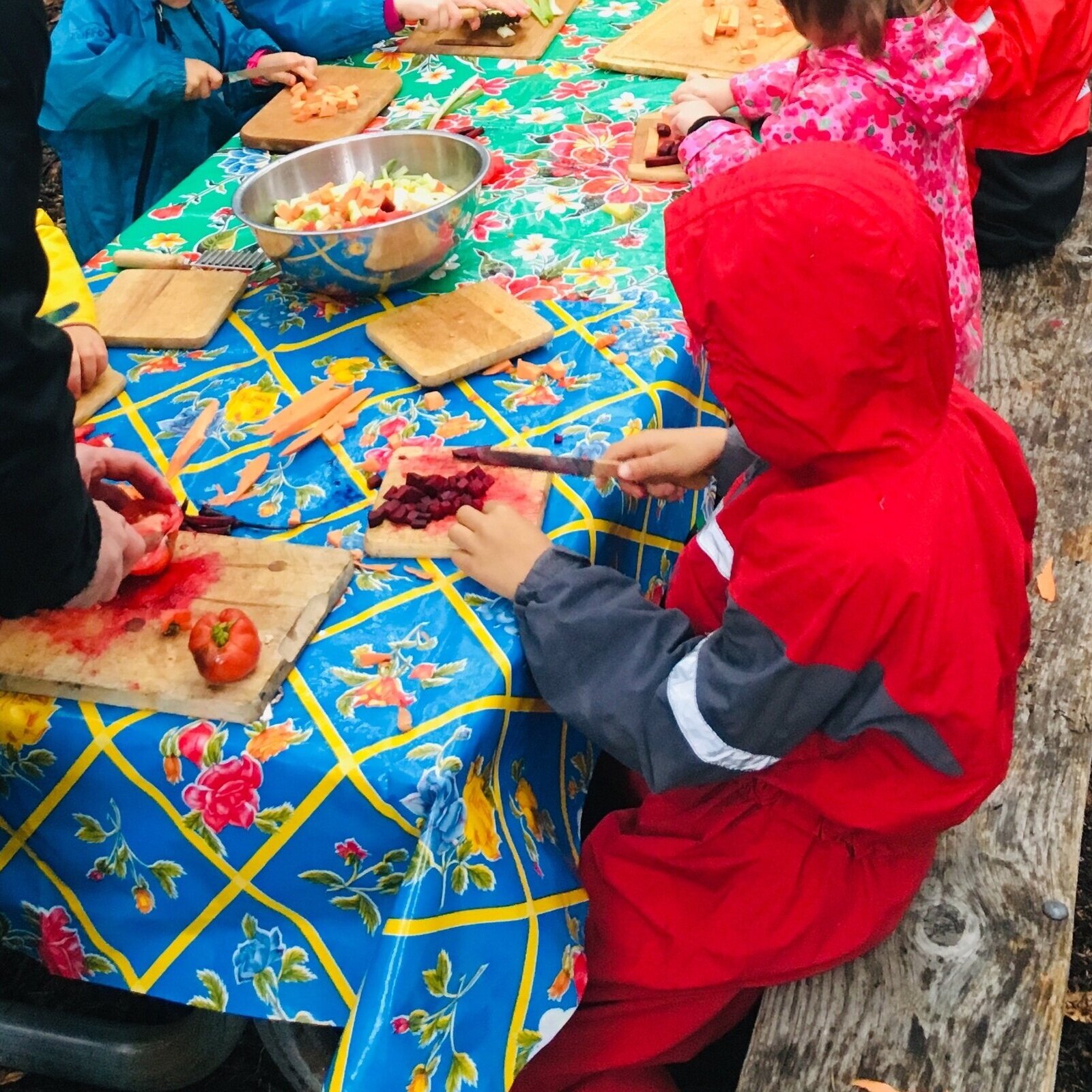
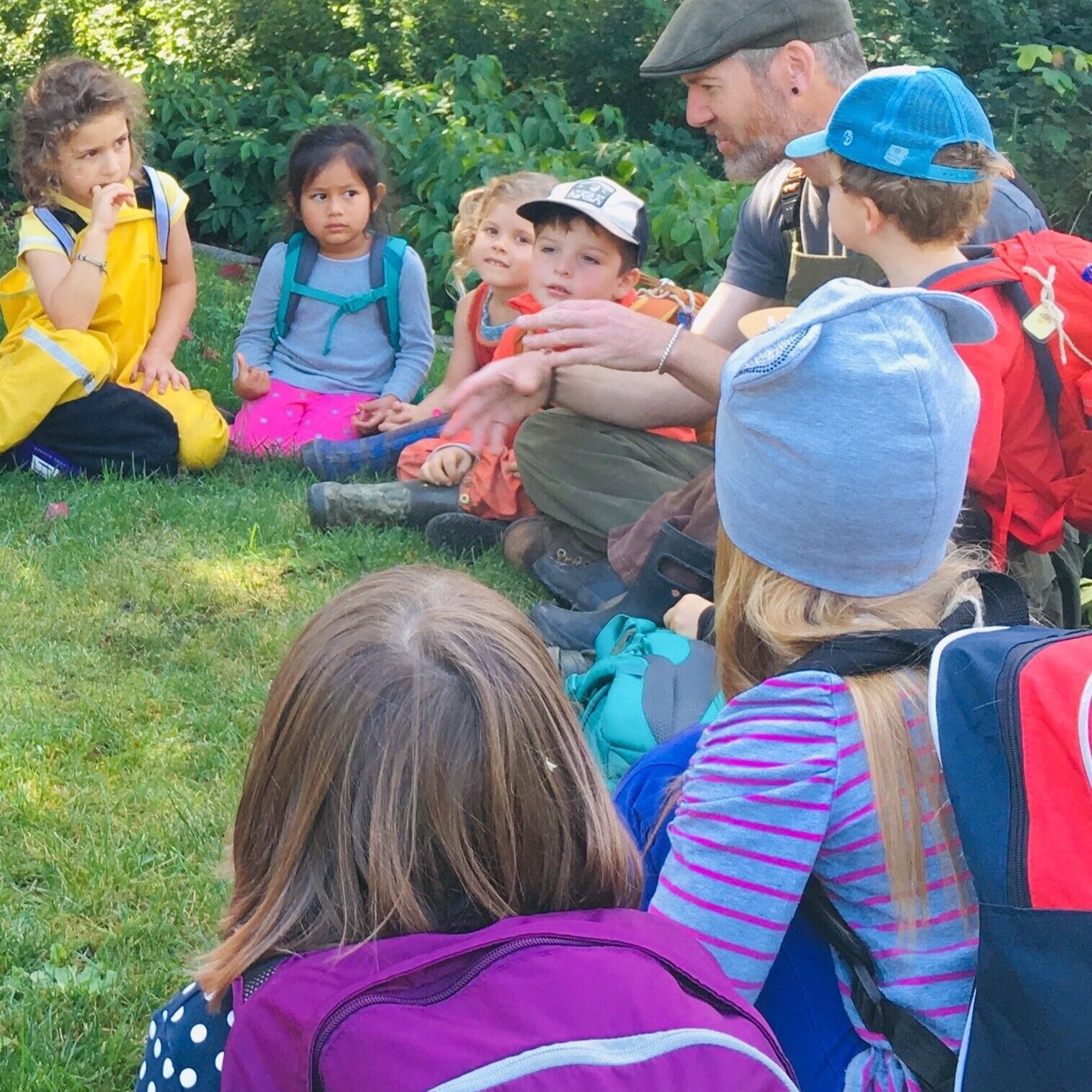
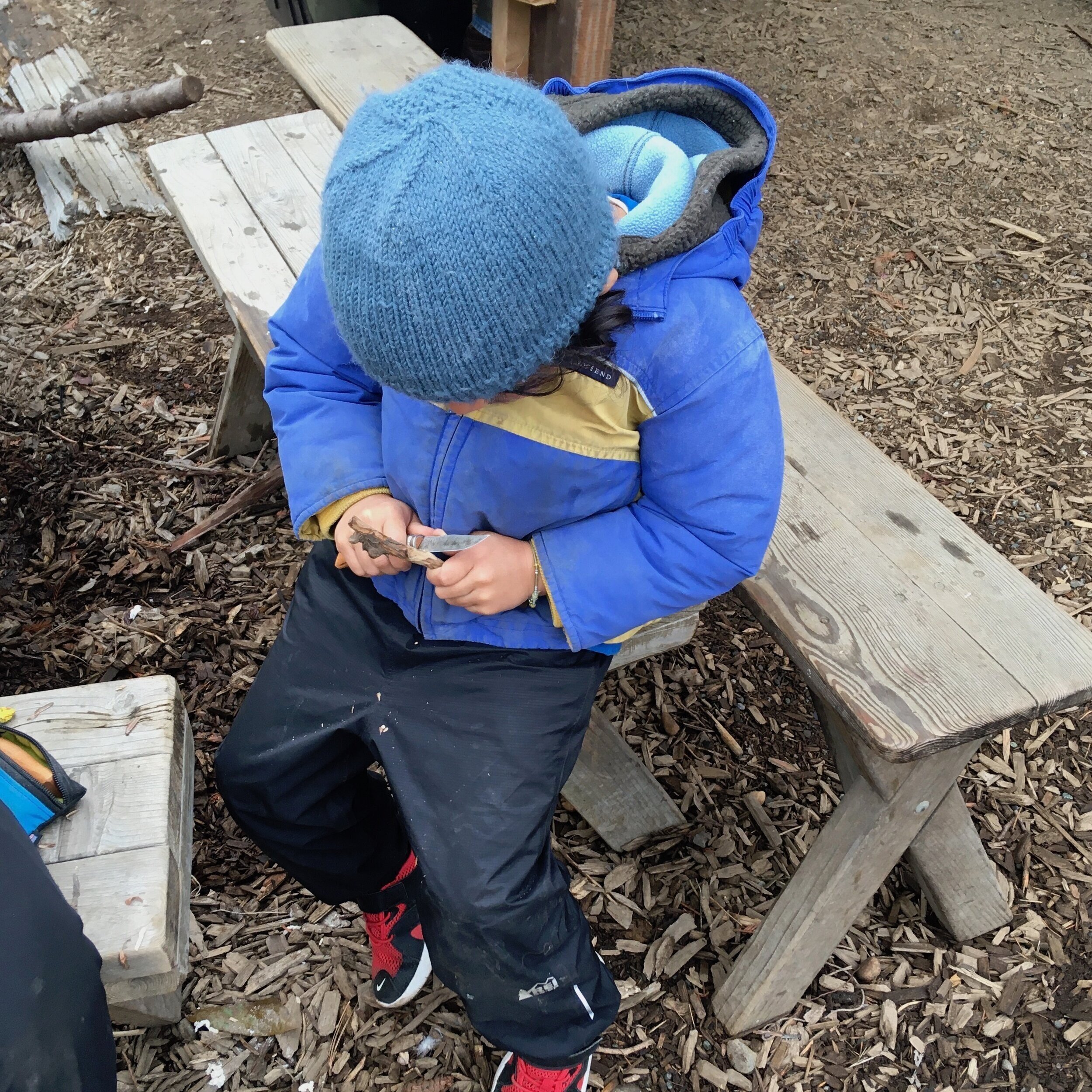
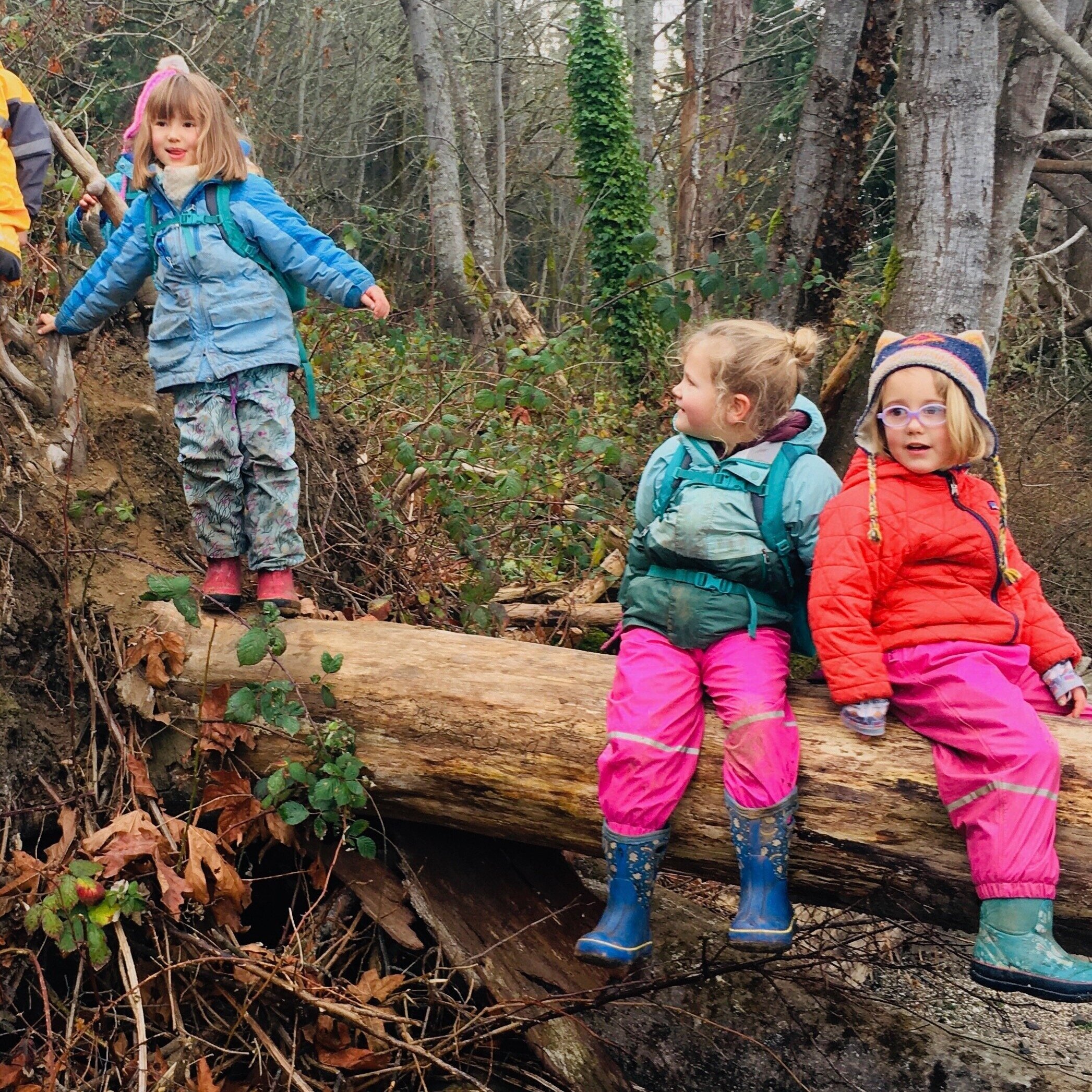
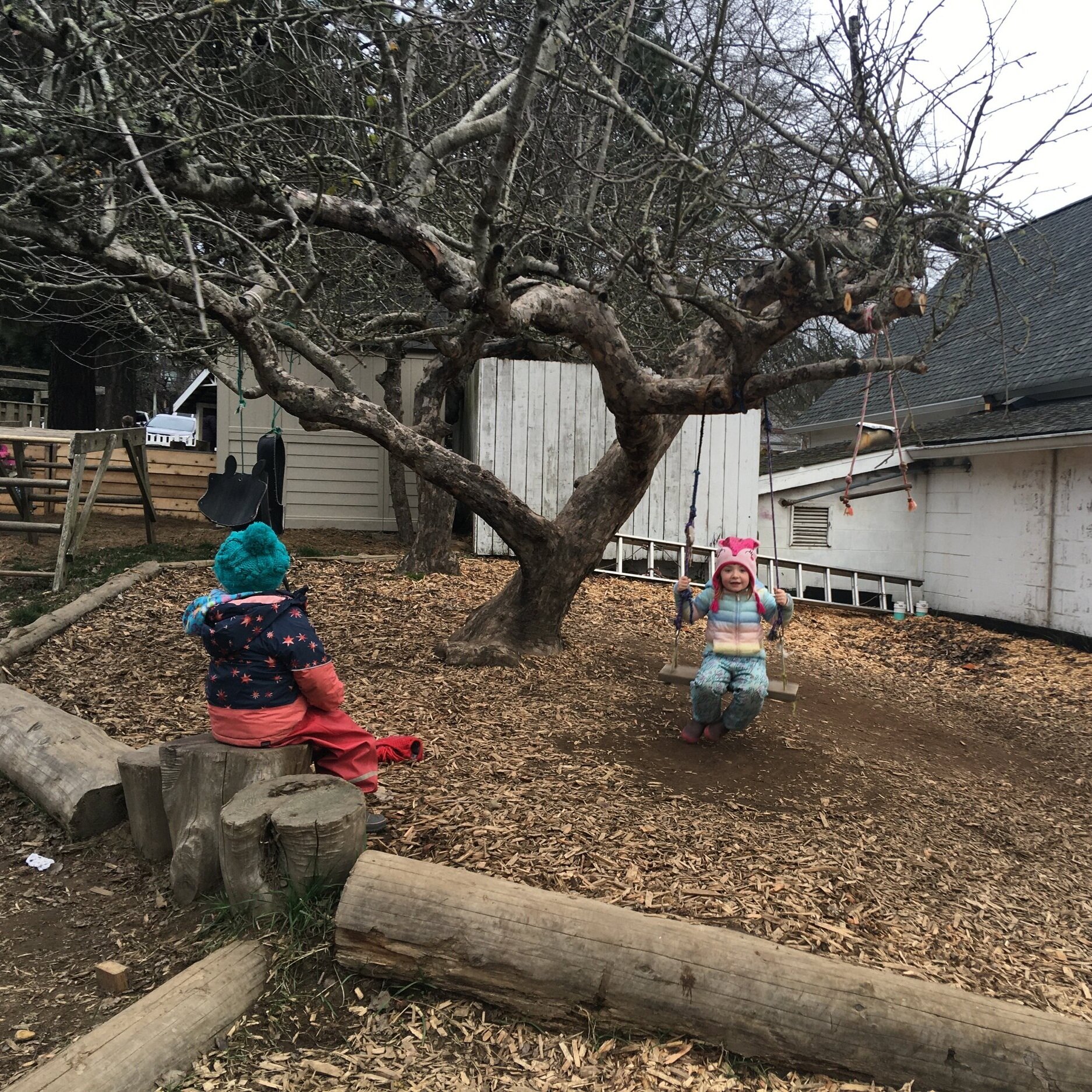
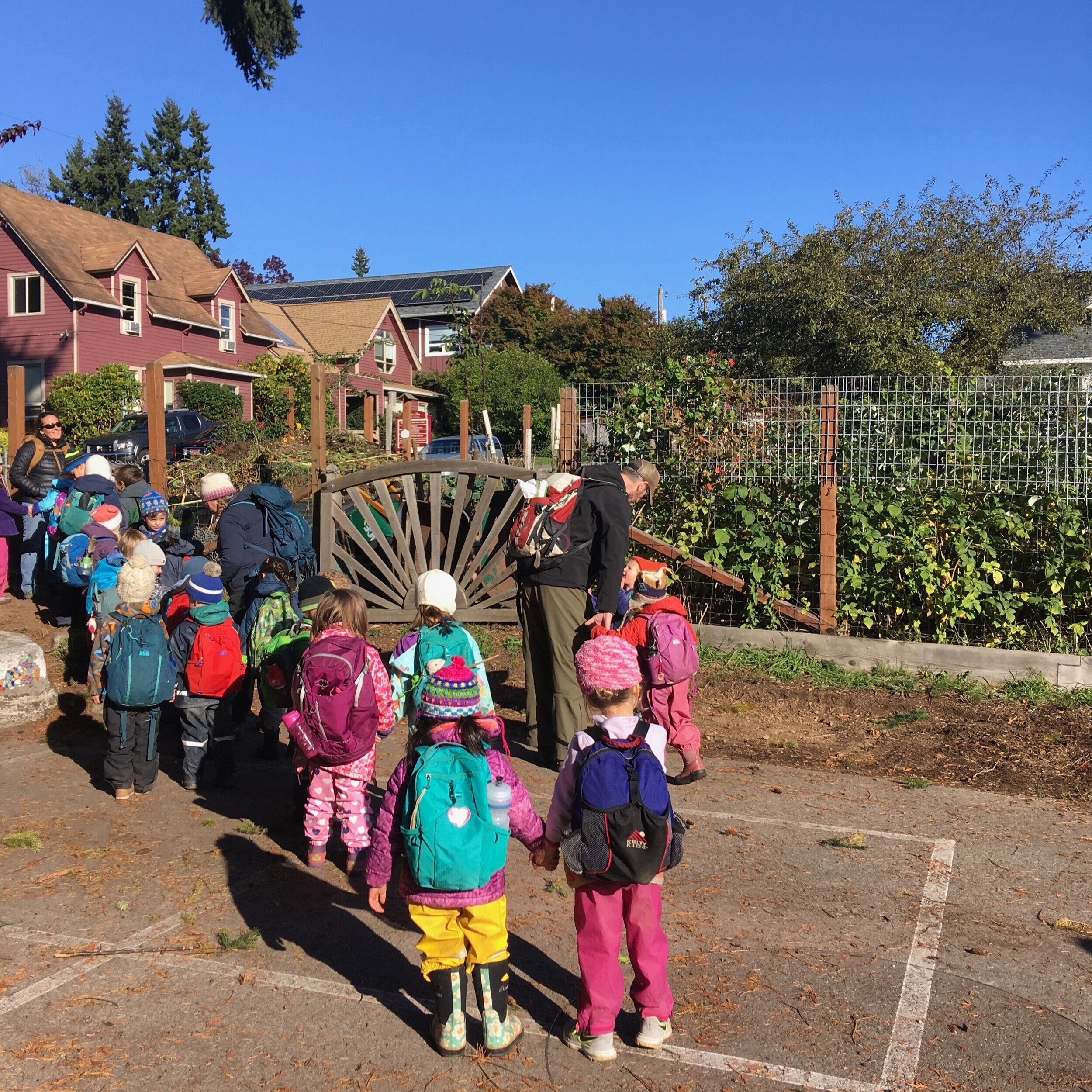
At Madrona School, ‘Q’ stands for quesadillas…and peppermint tea in enamel mugs, good rain pants and boots, and a healthy dose of fresh air. Everything that makes outdoor kindergarten a pure joy! Children need time outdoors -- time to explore, problem solve, work hard, get dirty, lay quietly watching bugs or clouds, run, yell, chase, climb…. Each day, our kindergarteners do just that and more, at school and in nearby parks and beaches around the island. And, Friday’s class also enjoys an additional day out hiking and exploring on “adventure Fridays”. Experiencing the outdoors is an integral part of our curriculum, and represents a whole and healthy childhood. Rosy cheeks and the muddy boots are wonderful things! In our society at large, today's children spend an average of over seven hours (!) each day engaging with media of some sort, according to one study by the Kaiser Family Foundation -- and this was after data collection three separate years showed steady growth in that time. The National Wildlife Federation offers a list of recent research studies, many of them concluding that children's outdoor time is shrinking, and stands at well under an hour a day. Follow the link here to download their report entitled "Whole Child Report: Developing Mind, Body and Spirit Through Outdoor Play". Sound familiar? It's an excellent read. What a gift we give our youngest students, who can prepare for grade school with a healthy dose of movement and imaginative, nature-rich play. Engaging the whole child is a basic principle of Waldorf education, and one that ideally prepares our children to be resilient, hardy contributors to the world around them, and to find pleasure in the "great outdoors". We believe a Waldorf kindergarten education is beneficial to your children, your family, and to the wider world!
— adapted from our school newsletter
Madrona School Alphabet (P)


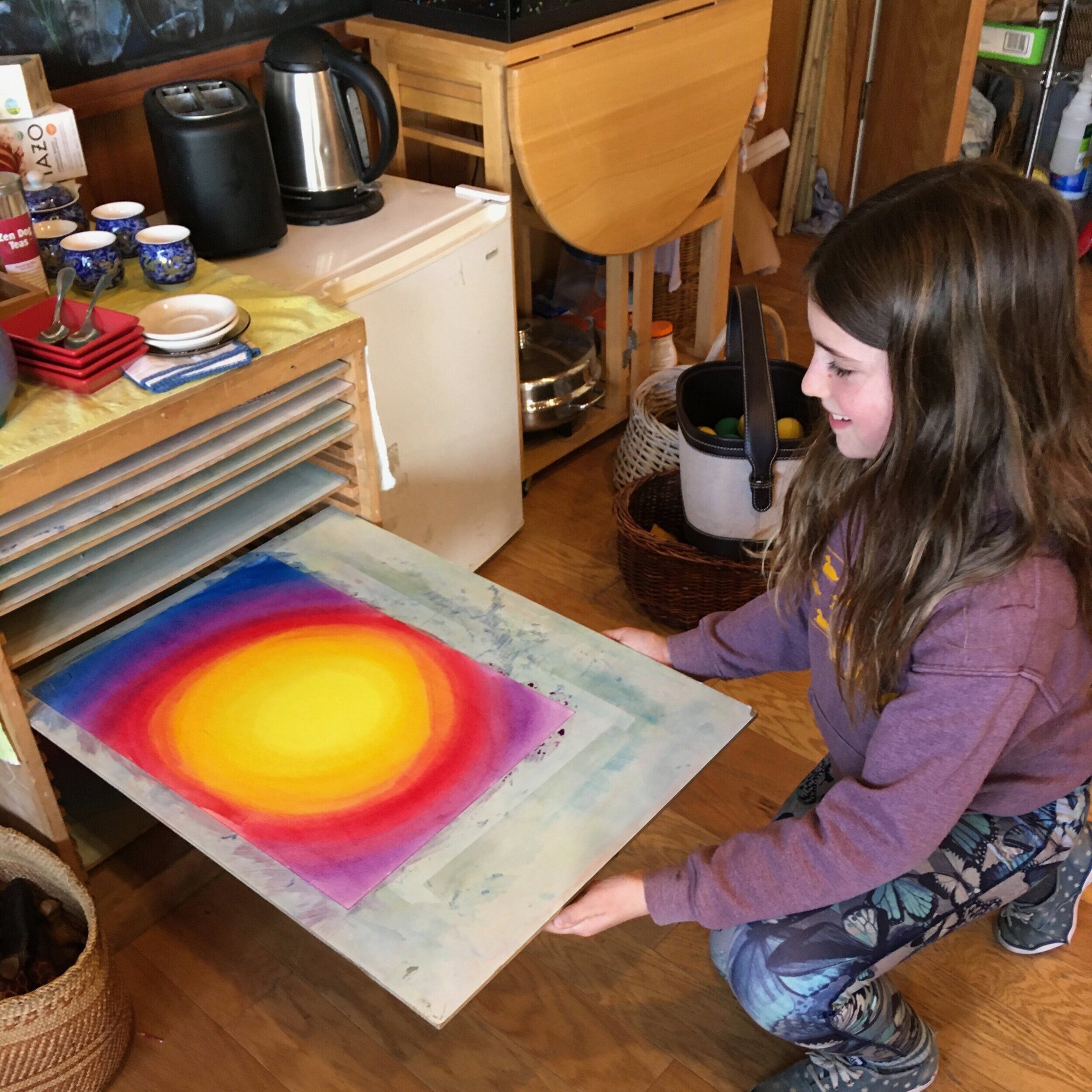
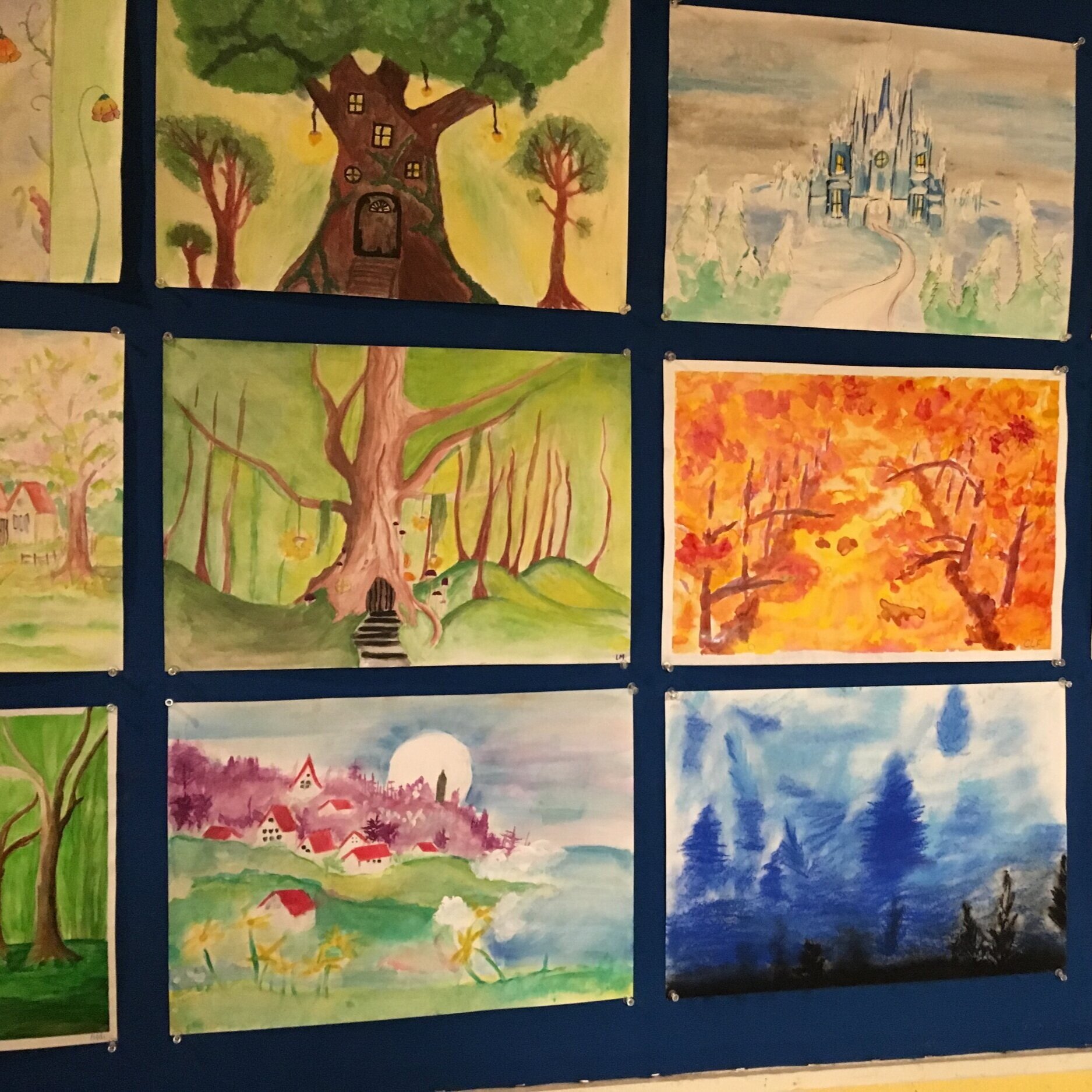
We’ve reached the letter ‘P’ in our 26-part series on what makes a Madrona School education unique, and P is for painting. Art infuses our curriculum, and a basic tenet of Waldorf education confirms artistic expression as elemental to our humanity. Every one of us is an artist, a creative being. In addition to drawing in main lesson and other specialty periods at Madrona, we include watercolor painting as a weekly activity in our early childhood classes, as well as a specialty class throughout the grade school. Our students learn techniques around wet-on-wet painting, applying watercolors to wet paper. This technique demonstrates the fluidity of color and requires time to learn, so the children build on what they know as they move through the grades. And, as with much of our curriculum, the full flowering of painting technique reveals itself in the middle school years. In kindergarten and 1st grade, students learn to work with color, experiencing colors both separately and blended, and they also begin to acquire brush control. As they develop skills, paintings reflect current main lesson blocks, and augment main lesson drawings and essays, becoming more detailed and skilled as they master techniques. We invite you to walk through the school building every so often - the teachers hang art in the halls on a regular basis. It's inspiring!
— adapted from our school newsletter


Madrona School Alphabet (O)
Hand drawn world maps by our 2019 8th graders — done as a part of their economic geography block.
We’re into the second half of our alphabet highlighting what makes a Madrona School education unique! ‘O’ celebrates Waldorf education as a part of our larger world. Madrona School, as a developing Waldorf school, is a member of a worldwide and growing independent education movement celebrating 100 years in 2019. According to the latest figures, there are more than 1,100 Waldorf schools in more than 60 countries; if you look specifically at early childhood programs, there are more than 2,000 on five continents.
Waldorf education originated in Germany in 1919, when a factory owner asked Rudolf Steiner to develop a school for his workers' children. The original co-educational school, open to all and administered by teachers, was a direct outgrowth of Germany's social renewal efforts following World War I. And, even though the Waldorf education movement began in one place at a specific time, it continues to grow and evolve, seeking always to educate the whole child, recognizing a child reaches his or her full potential when education addresses not only the mind, but the body and spirit as well. Today, each Waldorf school is independently run, and each school reflects local culture and practice -- just as we make use of all the natural beauty in our local woods and beaches and incorporate our region's history and culture into our curriculum, the same is true for schools around the world. At the same time there are elements of Waldorf education that are recognizable and translate across cultures, as each and every school strives to educate and develop each student's awakening capacities, and graduate creative thinkers who feel themselves a part of not only their culture, but of a common humanity.

Postcards received as a part of the global postcard exchange between Waldorf schools in 2018-2019.
If you are interested in reading more, please investigate the information on the AWSNA (Association of Waldorf Schools of North America) website, or all of the work that the German organization, Friends of Waldorf, highlights on their webpages. And, for a visual trip around the world, check out the Waldorf100 videos: Learn to Change the World, and the early childhood focused, Becoming. It is so interesting to see snippets of so many schools in so many different cultures!
In the day to day work of educating our students, we don't often think of our little school on Bainbridge Island with global connections, but indeed they are there!
—adapted from our school newsletter
What does a games and movement teacher do to celebrate the Waldorf 100 Anniversary?
Why... Run 100 miles in a school year of course!
Tracking our progress…
This year, to celebrate the Waldorf 100 year anniversary, the Madrona School 2nd through 8th grades, will be cumulatively running 100 miles during games classes. That's 33 miles for the fall, 33 miles for the winter, and 34 miles in the spring. Surprisingly to most of the students, we reached our fall goal early just this week, with the 2nd grade running the last mile and a half to complete the first 33 miles. Over all, the 2nd and 3rd grades put in a lot of running time and came out on top with 6 miles each towards the goal. All of the classes have put forth an amazing effort!
Planning the next run at the start of a class…
Along with all of the enthusiasm around reaching this goal, I have had a great chance to talk about the importance of hydration. Several of the students call me "Ms. Do you have your water bottle?" Quite a few of the students have realized how much better they feel after fueling up before, during and after our time together. Additionally, proper footwear has come into play. Nothing like trudging along in your fancy school shoes, to remind yourself to bring running shoes for the next class.
Make sure to be on the lookout after Thanksgiving break, when the Madrona Waldorf 100 Running Club will be back in action piling up those miles running around town, and in Moritani Park working towards our collective goal of 100 miles!
— From our games and movement teacher, Jamie Villella
Reflections from Life 101, by Deborah Newlen, Madrona School's Head of School

The faculty and staff spent Monday engaged in conversations about their individual work and the school's. We considered two questions: 1) How can the school support your individual work? and 2) What is good and/or worthy of admiration in our school? There were a multitude of fine and interesting answers to both questions.
Responses to the first question will form the basis of ongoing work with each individual staff member to help their professional growth and the development of new capacities. Answers to the second question will be shared with the new marketing and communications committee, which is busy both improving the ways we work with current families and how we outreach to prospective families and help bring more new students to the school.
And I was inspired by answers I heard to that second question, reminded about something Rudolf Steiner addresses as of primary importance to anyone interested in a path of spiritual development. In the first chapter of How to Know Higher Worlds he says: “Our civilization is more inclined to criticize, judge and condemn than to feel devotion and selfless veneration…We must seek in all things around us, in all our experiences for what can arouse admiration and respect.”
I think Rudolf Steiner is on to something. I am not sure if it is in the nature of our brains or just our civilization and the way most of us were raised, but finding fault with things is fairly easy. I may even have a talent for it! I don't have to think very hard about what I don't like or what irritates me or what I think needs improving in my life, my relationships, our school, or our world. Those thoughts seem to pop in my head like popcorn!
When I began reversing this habit and looking at myself and others to see what was worthy of admiration and respect I started becoming a better person. Applying it to teaching writing to students was like a magic elixir. I found that if I worked initially to see what was good in their writing and reflect that to them, they had an easier time improving than if I told them only what needed fixing. They improved dramatically as writers and I as a teacher. And since then, I have had a daily practice in my personal and professional life of noticing what arouses admiration and respect in the worlds I inhabit. This is not always easy. It sometimes requires me to be saintlike and subdue many opinions. If I make a significant mistake I want to beat myself up. If there is something obviously disruptive, like a playground torn up by work on a drainage system, I am prone to find fault.
But here we all are together, working pretty hard to be good partners, parents, children, employees, bosses, human beings. There is a grace to be found in noticing what is good, what is working, what is admirable. My years in the classroom have shown me that it can actually save lives. Seeking to see the good in people, situations, and organizations helps them have momentum to learn and grow. It provides a resource for the work that must be done. Steiner goes on to say that when we criticize, we diminish our strength, and when we see what is of value we grow in capacities. Most of us our not ready to be canonized yet, but a little 'yoga' of positivity can improve our own lives and those around us. Mark Twain said: "I can live for two months on a good compliment." May we all give one another somewhat more frequent nourishment!
—Edited from Deborah’s head of school newsletter column, October 8, 2019
Climate Action in our Middle School


Our middle school students participated in the Friday climate strike by making signs and walking out to join other area students in a march on Bainbridge Island. This important action speaks to these students, as they are newly developing their capacities for looking outward into the world to wonder about their place and purpose and beginning to think critically. And, its inspiring to see so many young leaders in the climate action movement — people like Greta Thunberg, and Autumn Peltier to name just a couple — all examples of how one person can make a difference.
Deborah Newlen, our head of school, highlighted this in this week’s school newsletter, writing:
The Difference of One: Most of us go through large portions of our daily lives not paying full attention to all the things we do (or don't) and the impacts those acts or their omission have on others and the world around us. This is not an accusation; it is a statement of fact. It is not always a willful ignoring; it is often the case that the human mind pays attention to only one thing at a time. And life has a way of firing things at us in such rapid succession that reflection time can seem unavailable.
But occasionally, it is good to take stock, to make an inventory, of actions offered and actions received, to try to hold in mind the difference one makes. It is not about thinking that if we did a particular thing we could make a difference. It is realizing that we are making a difference all the time with each thought, and word and deed.
Working in a Waldorf school regularly reminds me of this, because the way teachers bring humanities and the sciences to our students always begins with bringing striking biographies of human beings making a difference in their fields, often with major significance for the course of human life.
This past week, our own middle schoolers ventured out to the corner of Winslow and Madison inspired to join the international youth climate action now occurring around the world inspired by a Swedish teenager named Greta Thunberg. This young Swede is a remarkable illustration of the difference one makes. I am excited for our middle schoolers and teenagers everywhere that someone their own age has gained a voice on the world stage in an important conversation. I can not imagine a more powerful signal to a young person that a young person's actions matter than to see that playing out in the so called 'adult world'.
I find Great Thunberg and working here at Madrona school inspiring for many of the same reasons. And wherever the reminder comes from:
“Never forget that you are one of a kind. Never forget that if there weren't any need for you in all your uniqueness to be on this earth, you wouldn't be here in the first place. And never forget, no matter how overwhelming life's challenges and problems seem to be, that one person can make a difference in the world. In fact, it is always because of one person that all the changes that matter in the world come about. So be that one person. ” ― R. Buckminster Fuller
Happy 100th Anniversary!
Waldorf education turns 100 today, and this international group of schools, 1100 strong, is marking the occasion all year long with a variety of celebrations. Madrona School is proud to be a part of this story in our 20th year on Bainbridge Island.

To mark this special day, our national organization released a new short video, An Education for the Future. Please take a look and share it widely with your family and friends!
And, review the video offerings from the international Waldorf100 committee too — they do an excellent job of highlighting some of what makes this educational model special and relevant: Waldorf100: Learn to Change the World and Becoming.