MADRONA SCHOOL AT A GLANCE

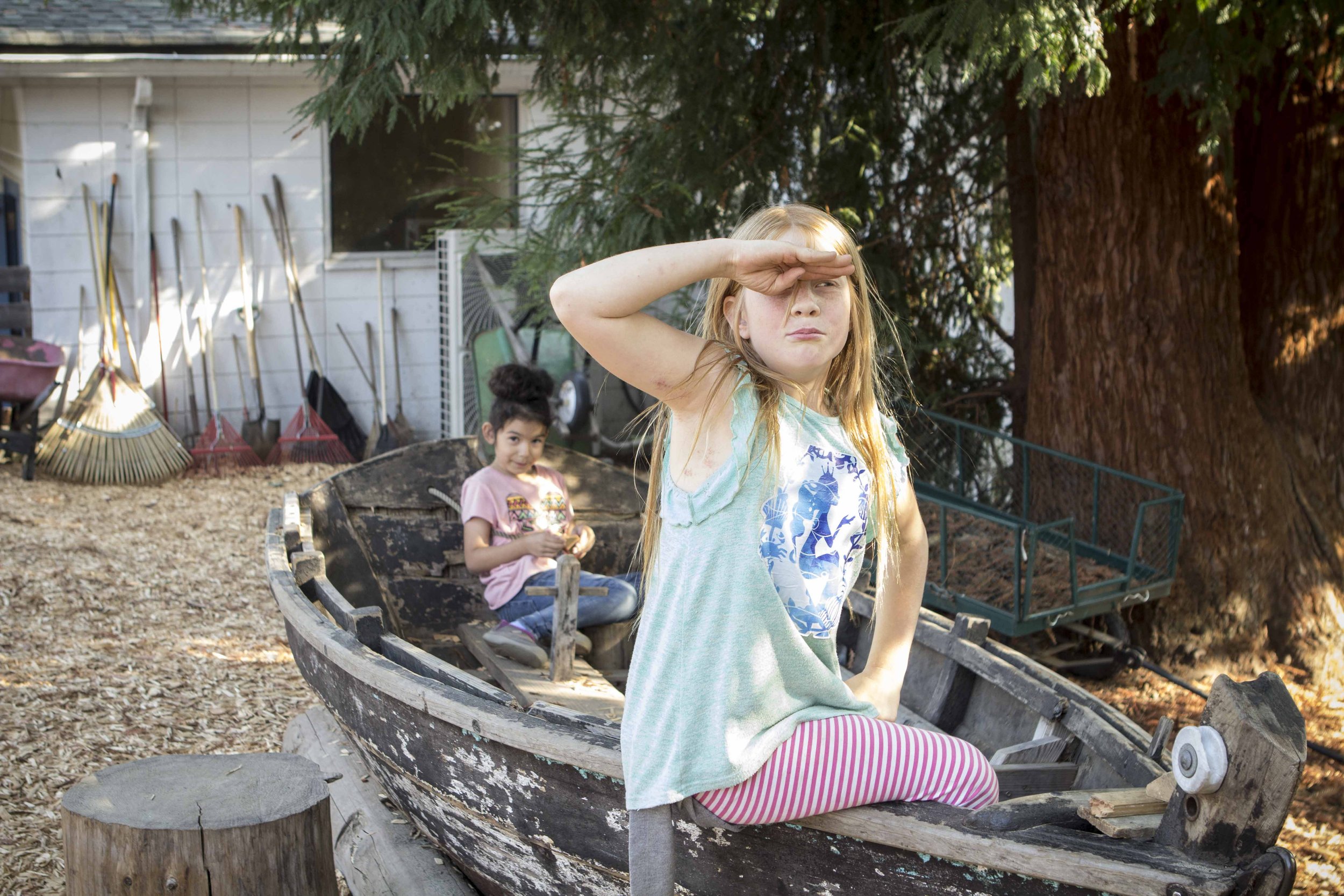
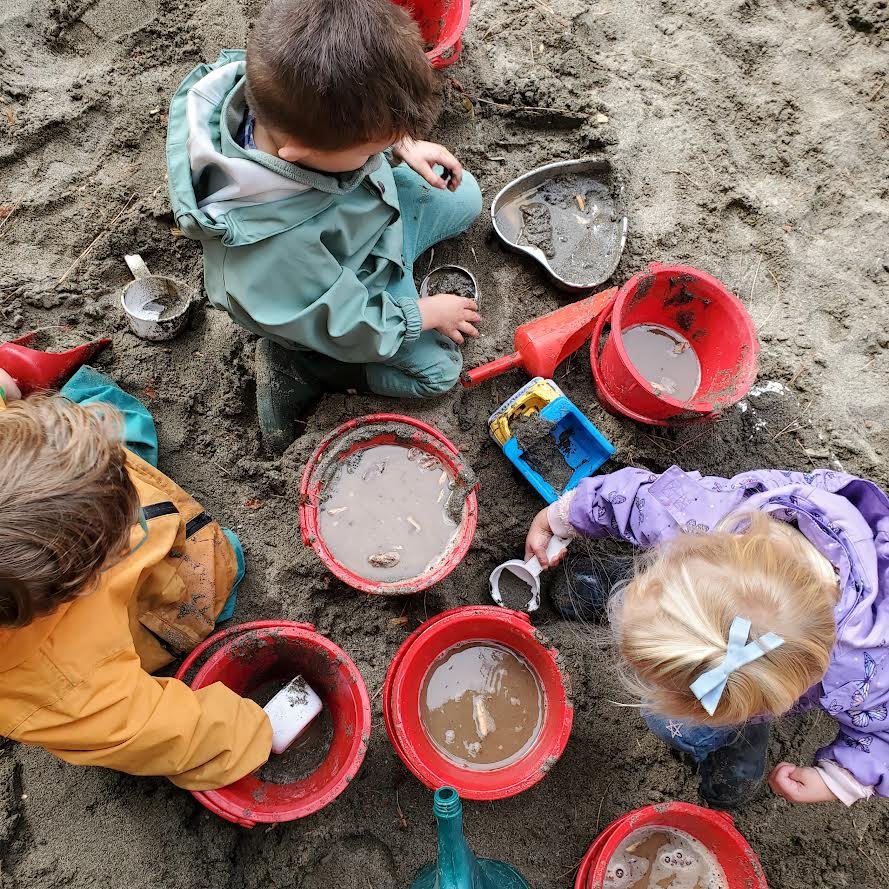
Founded in 1999 by a group of committed parents and teachers, the school now serves 72 children in Parent-Child, Preschool, Kindergarten and 1st through 6th grades. Set amongst towering trees, tucked away in the heart of Winslow on Bainbridge Island, our school integrates a classical education with movement, the arts, and the wonder of nature, to meet each student's developmental needs.

We invite you to find out more about what makes a Madrona School education unique! Explore our website for further information or contact us to schedule a tour.

Is a Madrona School education the right fit for your children? Please fill out an inquiry form and we will contact you within 1 business day.


Waldorf pedagogy is a developmentally appropriateexperiential, and academically rigorous approach to education. It integrates the arts in all academic disciplines for children … to enhance and enrich learning. Waldorf education aims to inspire lifelong learning in all students and to enable them to fully develop their unique capacities.

Founded in the early 20th century, Waldorf education is based on the insights, teachings, and principles of education outlined by the innovative 20th century philosopher and activist Rudolf Steiner. The principles of Waldorf education evolve from an understanding of human development that addresses the needs of the growing child.

Math, language arts, science, humanities, the arts, languages, and physical education are not simply subjects to be read about and tested. They are experienced. Through these experiences, Waldorf students cultivate their intellectual, emotional, physical, and spiritual capacities to be individuals certain of their paths and to be of service to the world. 

Excerpt from AWSNA (Association of Waldorf Schools of North America)

Inspired Learning

Professors who teach Waldorf graduates across many academic disciplines and across a wide range of campuses—from state universities to Ivy League schools—note that Waldorf graduates have the ability to integrate thinking; to assimilate information, as opposed to memorizing isolated facts; to be flexible, creative, and willing to take intellectual risks; and are leaders with high ethical and moral standards who take initiative and are passionate about reaching their goals. Waldorf graduates are highly sought after in higher education.

Teachers in Waldorf schools are dedicated to generating an inner enthusiasm for learning within every child. Waldorf education is truly Inspired Learning.

“Strong intellectual curiosity, a willingness to dive into and try out new things, an ability to empathize with students who are struggling, and the confidence to express herself.”
— Margaret Pobywajlo, Director of the Learning Center, University of New Hampshire, Manchester

Graduate Suceess

According to a recent survey of Waldorf graduates:

94% attended college or university.

89% are highly satisfied in their choice of occupation.

91% are active in lifelong education.

92% placed a high value on critical thinking.

90% highly value tolerance of other viewpoints.

Waldorf Pedagogy

Waldorf pedagogy is based on the idea that education should address the whole child—their physical well-being, their social and emotional well-being, and their intellectual, cognitive, and spiritual development.

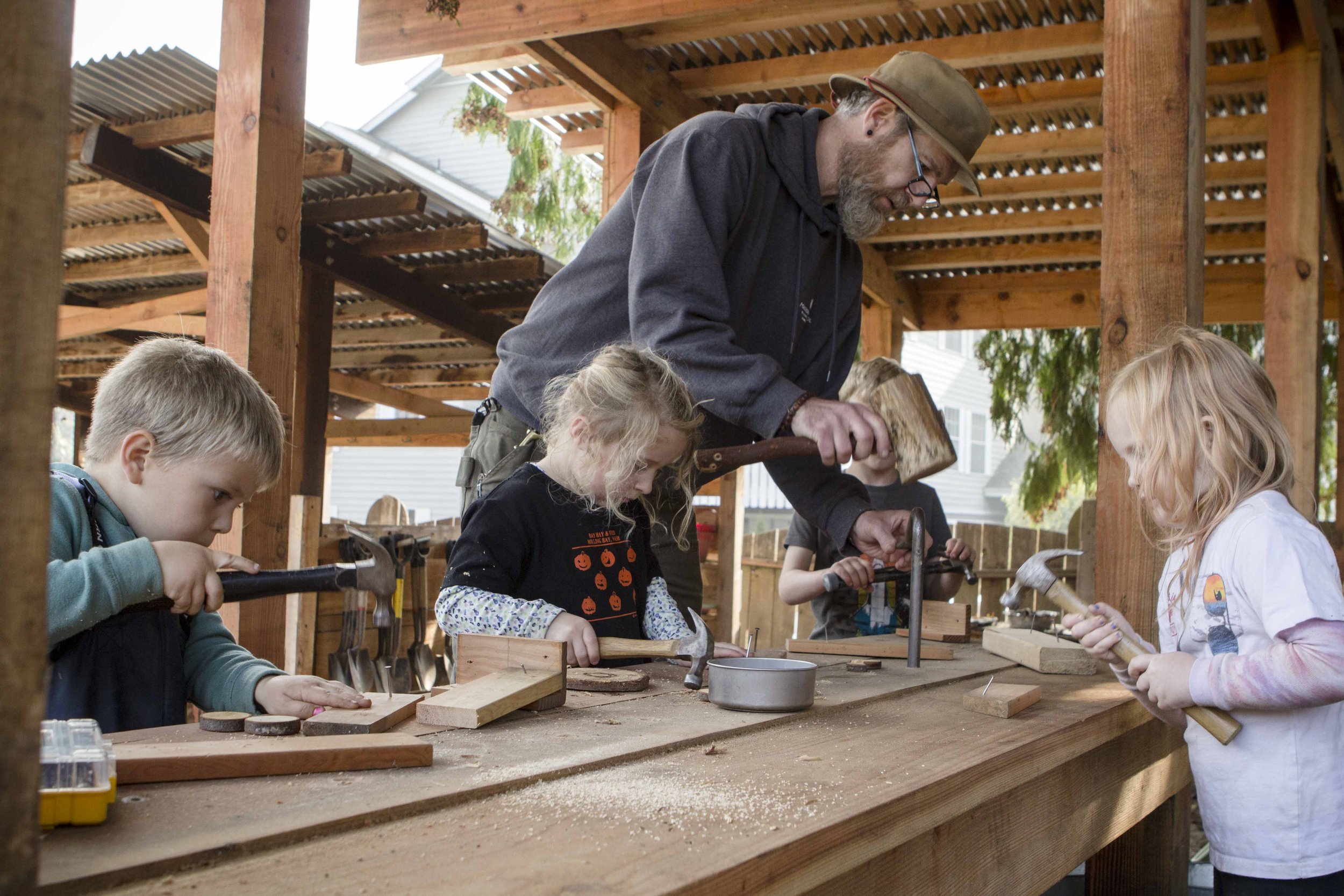
Experiential and kinesthetic learning are an integral part of Waldorf pedagogy, with project-based and collaborative approaches emphasized in the classroom. This approach allows students to retain the material at a much higher level. 

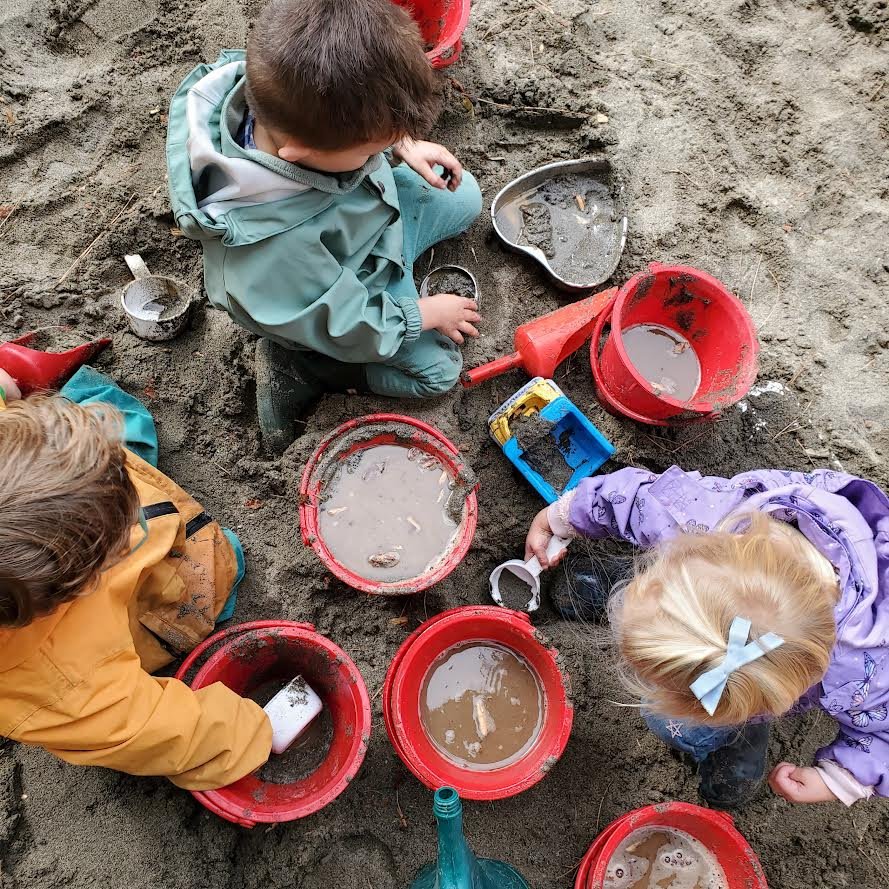
Waldorf education encourages a low tech approach in the early years. Children are encouraged to engage in imaginative play, hands-on work, and outdoor and artistic activities. The goal is to cultivate a strong academic and developmental foundation, social skills, and a connection to the natural world before introducing digital devices.

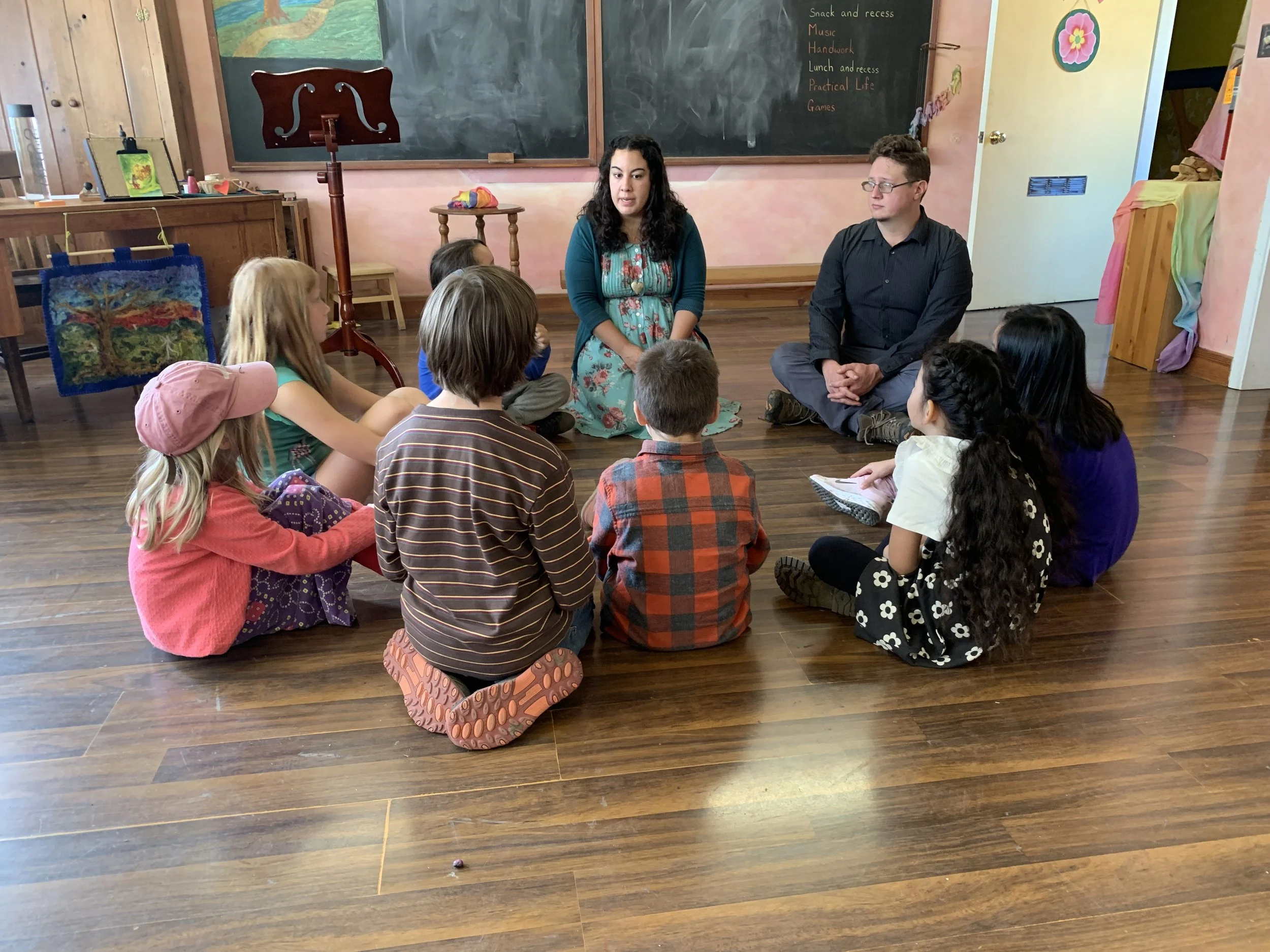
In Waldorf schools, students benefit from having the same teacher for several years, which fosters strong bonds and lasting relationships. Social and emotional education is prioritized, with formalized testing introduced later on in the upper grades. Storytelling, projects, experiments, and games are used as challenging academic tools. The culture of learning in Waldorf schools emphasizes human interactions and unmediated learning experiences. 

Waldorf education promotes integrative and interdisciplinary thinking through critical thinking, ethical decision-making, and the development of practical skills such as public speaking, leadership, project management, and goal-oriented assignments. 

The outcomes of Waldorf education are impressive. Nearly 100% of graduates attend university. Waldorf students develop curiosity, creativity, and a deep love for learning. They graduate with confidence, poise, and a genuine care for the world and its people.

Excerpt from AWSNA (Association of Waldorf Schools of North America)

Madrona School Questions & Answers

Beyond "At a Glance"

[W]e must be clear about our goals: to develop our children's potential to be whole and free creative individuals so that they may be successful, not at conforming to the existing reality, but in transforming the present reality into a new reality that is more true to their aspiring individuality and humanity. -- Michael Howard


festivals and Community events


Spiral of Light - December

We gather together in silence around a spiral of fir branches. One by one each family lights a candle of their own and places it along the spiral. The light of our community shines bright through the dark winter night.

Family day - january

Join us for an immersive open house to learn more about what makes Madrona School unique:

MAY DAY

Join us for a festive celebration of Spring:

  • Music and dancing around the May Pole

  • Games for children and adults

  • Lemon Peppermints, May Cake (vegan) and May Wine (non-alcoholic)

  • Wear a flower crown and spring colors

Harvest festival - September

Join us for a festive celebration of Fall:

  • Prepare yourself for the oncoming dark and cold with personal challenges

  • Enjoy warm soup and bread

  • Enjoy an artistic presentation from the grades 1 - 5 students

  • Join in a community sing along

Lantern Walk - november

A quiet, reverent shining of light in the growing darkness:

  • Battle Point Park, 5:00 pm, main entrance off Arrow Point Drive

  • Bring your homemade lantern with a battery-powered tea light (no open flame is allowed in the park)

  • Please leave at home flashlights, commercial lanterns, light sticks and light-up shoes

  • Bring your singing voices

  • Arrive early, gather in the field to the North of the Northern parking lot, the procession around the pond will begin promptly at 5:00


Tuesday Newsday is our weekly newsletter emailed every Tuesday to current families and all members of the greater community who choose to subscribe.

Subscribe now: Sign me up!

Meet our Faculty and Staff

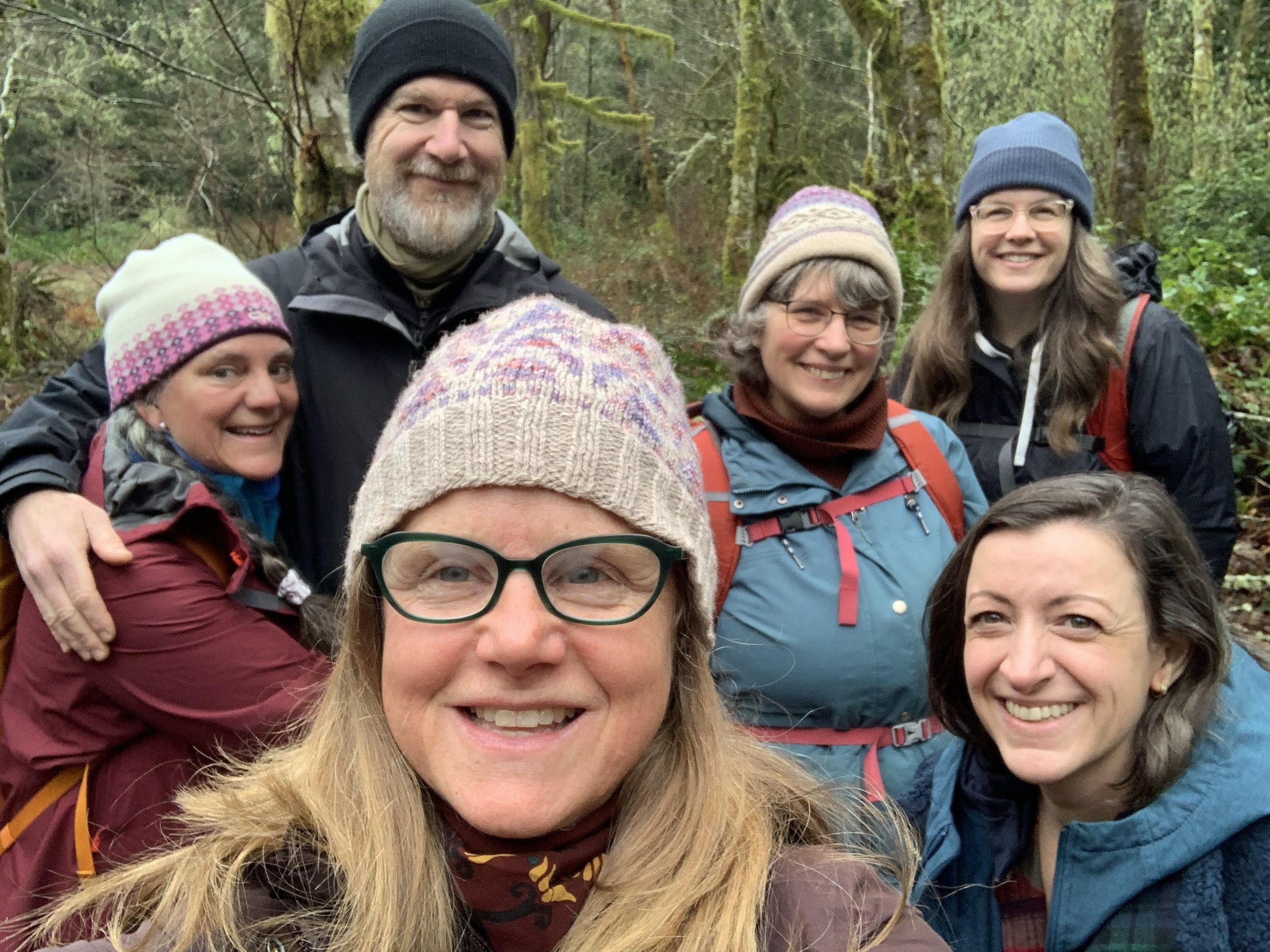
Our faculty consists of loving, creative and committed teachers who welcome each child into a world of lifelong learning. And our office staff brings a wide variety of professional experience to administer our school's programs and support our families, children and employees.


Early Childhood Faculty, 2026 - 2027

Grade School Faculty, 2026 - 2027

Administrative Staff

 Madrona School DEI Statement AnD LAND ACKNOWLEDGEMENT

A fundamental principle of Waldorf Education is the respect for human rights and the diversity of humankind, as well as the belief that inclusivity and equality are both a moral and educational imperative. At Madrona School, each member is valued for who they are in this time and place, and we work together in creating a sense of belonging as we learn more about ourselves, each other, and the earth realm.

Faculty Work: We are taking up the work of creating a more diverse, equitable, and inclusive school culture through ongoing training, study and discussion. We seek to listen to each other and to our community with open hearts and minds as we grow in understanding of one another, honoring our differences and celebrating our cohesiveness. With humble reflection and a deep sense of commitment we, as a faculty, work to identify our personal biases in order to prevent discrimination in the classroom and in the administration. We are learning to recognize the land as our partner and teacher, and to honor its history and the indigenous people who have been here for thousands of years.

Curriculum: We are developing our curriculum to bring a picture of the diversity of the whole world in our stories, lessons and activities. We seek to understand and address the current and historical contexts of marginalization in an age-appropriate way. 

Student experience: With our underlying perception that each child is equally unique and equally deserving, our goal is that each student feels seen and heard. 

Together, we nurture warm and real relationships which support and uplift the individual and our school community. Through robust financial aid and thoughtful curriculum, we are making our education as accessible as possible to families of all backgrounds.