Postcards from a new school year!

We are so excited to begin the new school year — our 19th! Here are a few images from around the school and from Lowery Farm in these early days of the year.

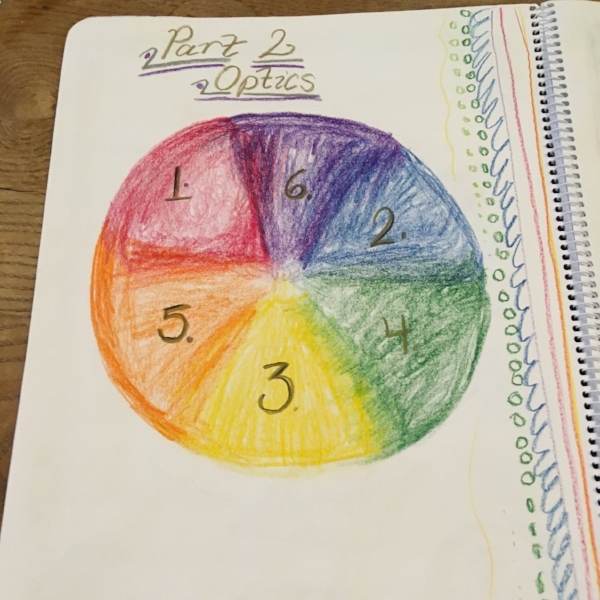
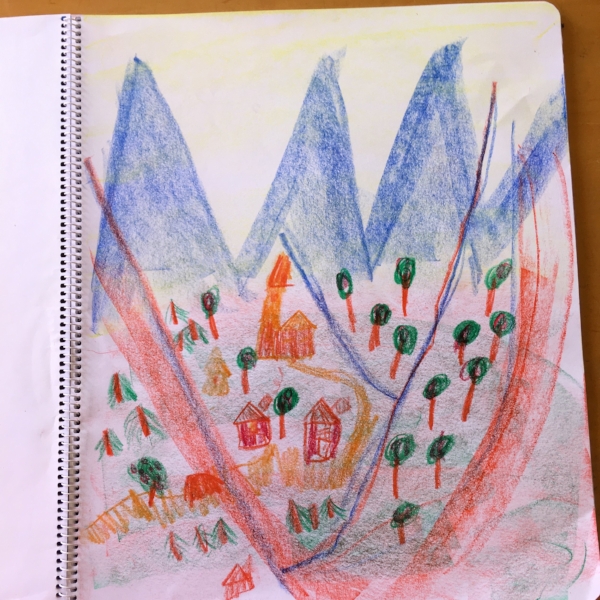
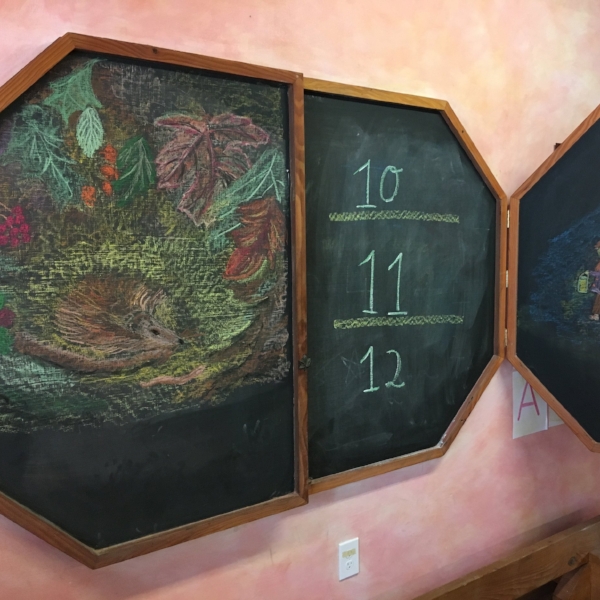
Clockwise from the top left: August in the school garden; kindergarteners eagerly watching a dump truck delivery of woodchips; opening day assembly for 2nd-8th grades; 1st grade chalkboard; 2nd grade morning movement on the balance beam; 4th grade has begun each morning with recorders and cursive writing practice; 5th grade mandalas kick off botany studies; first paintings of the year in 6th grade; 8th grade is going backpacking in the Olympics and there is a lot to learn and prepare!

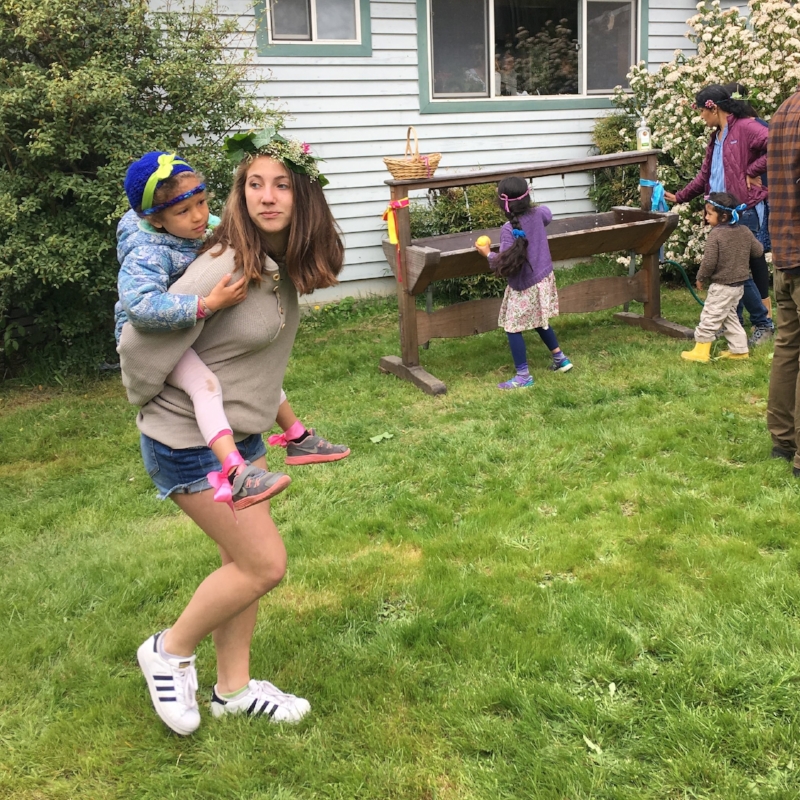
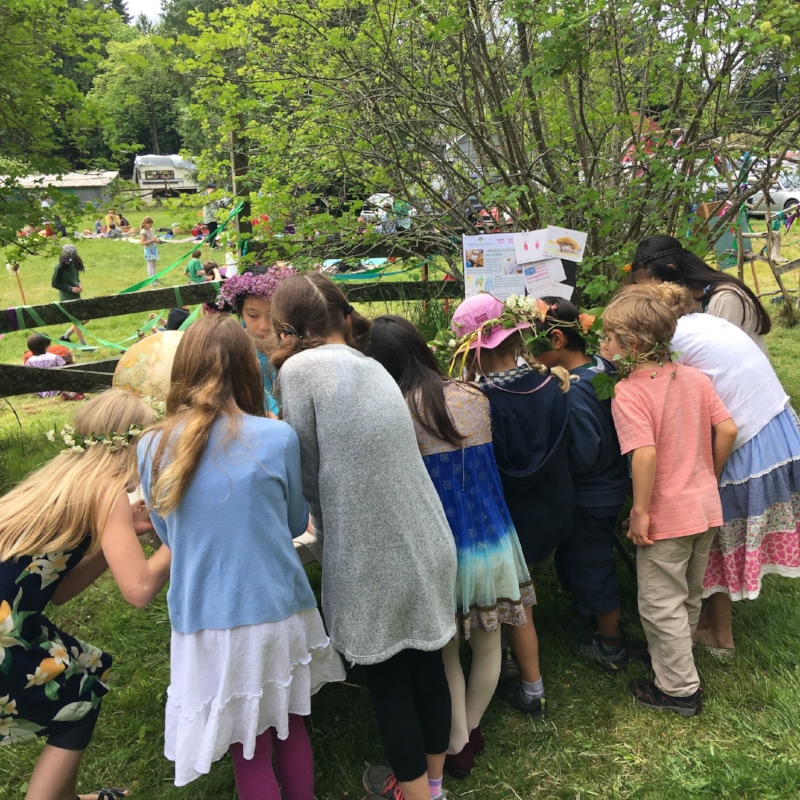
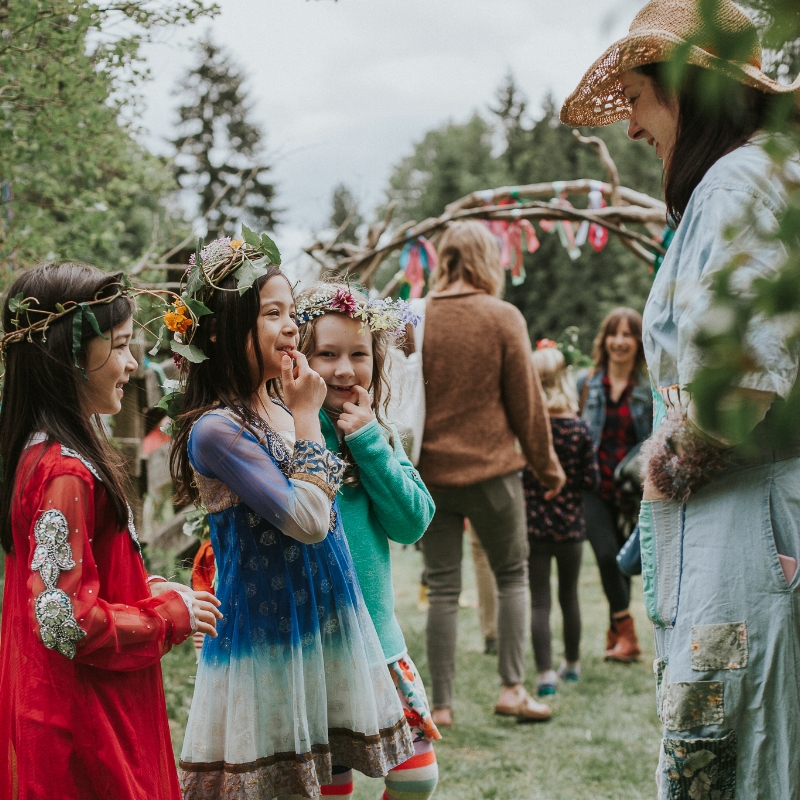
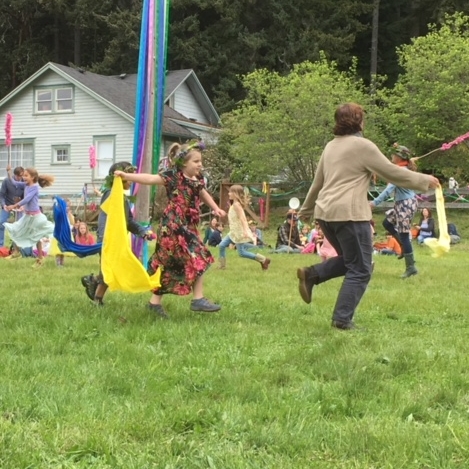
May Day at Madrona School

Spring is upon us and at Madrona School, like many other Waldorf schools in the northern hemisphere, we celebrate with a May Day festival. Our traditions include making flower crowns, an all-too popular cake walk, lemon peppermints, maypole dancing, community picnicking and May cake and wine. It is a festive, beautiful day at school for all ages, especially joyful when the sun shines! We treasure the couple of times each year when we gather as a whole school community.

Here are some images from our most recent festival, taken by a few of our photographer parents, as well as the office -- thank you to all who shared their pictures!

8th Grade Independent Projects

The 8th grade provided tremendous presentations of their independent projects last Friday evening. We were happy to have so many in our community present to support these remarkable young people too. Thank you to all those who made it a priority to come! 

Mr. Nottage, our 8th grade teacher, introduced our presenters with some brief remarks that got right to the heart of why our 8th grade students do these projects each year. He reminded us all that our children learned to stand upright in their first year without direct instruction -- it came from within. That is also the idea of these efforts, where the 8th graders reflect and propose a project of their own choosing and embark on a months-long journey that culminates in presentations where we see their inner volition to stand independently before their school community. Poise, humor, flexibility and problem solving are all on display in abundance!

We offer a brief glimpse into the variety of this year's projects:

Evan was inspired by an outdoor art show he attended last summer. When it came time to choose a project, he reached out to one of the artists he admired, a sculptor working in recycled metal. Learning different welding techniques, he created a ten a…

Evan was inspired by an outdoor art show he attended last summer. When it came time to choose a project, he reached out to one of the artists he admired, a sculptor working in recycled metal. Learning different welding techniques, he created a ten and a half foot metal arch and planter that will have a permanent home at the school's Lowery Farm.

Macy chose to learn digital photography and editing, shifting her focus from sports photography to nature photography when her mentor changed mid-project. Her photos, shown here on canvas, were beautiful! 

Macy chose to learn digital photography and editing, shifting her focus from sports photography to nature photography when her mentor changed mid-project. Her photos, shown here on canvas, were beautiful! 

Emily was inspired by a trip to Venice to explore Italian cooking. Working with our own (staff member and parent) Italian chef, she learned to make fresh pasta and ravioli, marinara sauce and cannolis. She put it all together in a feast for friends …

Emily was inspired by a trip to Venice to explore Italian cooking. Working with our own (staff member and parent) Italian chef, she learned to make fresh pasta and ravioli, marinara sauce and cannolis. She put it all together in a feast for friends and family, and even shared cannolis with us on Friday. So tasty!

Morgan, with her love of singing and musical theater, chose to learn the basics of guitar, so that she could accompany herself. For her presentation, she learned the ABBA song, "I Have a Dream," and performed it for us. Wonderful playing and singing!

Morgan, with her love of singing and musical theater, chose to learn the basics of guitar, so that she could accompany herself. For her presentation, she learned the ABBA song, "I Have a Dream," and performed it for us. Wonderful playing and singing!

Ellie was inspired by an 8th grade project from the class of 2015 to create a yearbook for the school. She has been taking and editing photographs around school all year long, and over spring break, began her layout into a book. The yearbook is avai…

Ellie was inspired by an 8th grade project from the class of 2015 to create a yearbook for the school. She has been taking and editing photographs around school all year long, and over spring break, began her layout into a book. The yearbook is available to order with proceeds benefitting the 8th grade class trip.

Marisol worked with a community artist to learn the art of graffiti and spray painting. She practiced her new craft on the old buildings at Blakely Harbor, and in her final piece for her presentation, painted on panels and shown here.

Marisol worked with a community artist to learn the art of graffiti and spray painting. She practiced her new craft on the old buildings at Blakely Harbor, and in her final piece for her presentation, painted on panels and shown here.

Harrison, inspired by a 7th grade Friday elective, worked with a local coach to learn the sport -- the art? -- of parkour. He made a video to demonstrate his skills on a route he devised incorporating the Ordway playground. His athleticism and humor…

Harrison, inspired by a 7th grade Friday elective, worked with a local coach to learn the sport -- the art? -- of parkour. He made a video to demonstrate his skills on a route he devised incorporating the Ordway playground. His athleticism and humor were on display!

Mikel explored fashion design and honed sewing skills with his project. Working with the owner of Esther's Fabrics, he designed and completed two skirts, as well as a top from a commercial pattern, learning a lot about fabric and drape and construct…

Mikel explored fashion design and honed sewing skills with his project. Working with the owner of Esther's Fabrics, he designed and completed two skirts, as well as a top from a commercial pattern, learning a lot about fabric and drape and construction along the way!

Isaiah worked to build a stand up paddleboard from the ground up. Made of marine grade plywood and cedar, the paddleboard is a thing of beauty, and will be launched just as soon as it gets its fiberglass coating.

Isaiah worked to build a stand up paddleboard from the ground up. Made of marine grade plywood and cedar, the paddleboard is a thing of beauty, and will be launched just as soon as it gets its fiberglass coating.

Katja took herself on a creative journey into songwriting. She explored chord progressions, melody and lyric writing along the way. The result was a song which she performed through voice and ukulele at the presentation, and recorded as well. It was…

Katja took herself on a creative journey into songwriting. She explored chord progressions, melody and lyric writing along the way. The result was a song which she performed through voice and ukulele at the presentation, and recorded as well. It was a heartfelt and gorgeous piece and performance!

Madrona School Alphabet (K)

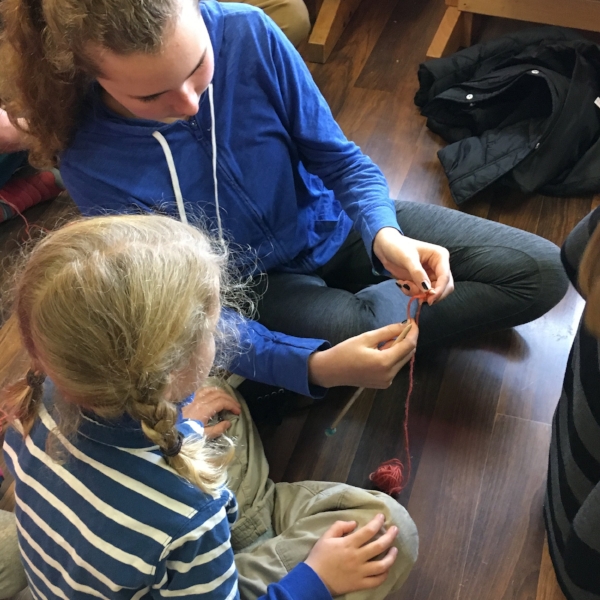
Next up in our alphabet-based exploration of what makes a Waldorf education unique...K is for knitting…and our handwork program in general. Handwork is one of the unique specialty classes offered in a Waldorf school. Developed to work in tandem with the curriculum as a whole, handwork strengthens fine motor skills and helps with hand-eye coordination, which in turn help students with writing, reading and math. Knitting, crochet, clay, woodcarving, embroidery etc., all contribute to the formative artistic foundations within a Waldorf education, fostering creativity, flexibility and independence.

Handwork is offered in kindergarten at Madrona School with some sewing and woodworking projects, but the program begins in earnest in 1st grade with knitting, providing a foundation for the rest of the program to build upon in future years. And, while students learn to knit, they come to see the beauty and utility that can be made with their own hands, simple materials and some perseverance. Often, the students will make something in this first year that they use everyday throughout their grade school years, like a flute case. Ask any older grade school student and they can probably remember what it was like to finally see their mistakes and fix them, to count the "mountains" in their knitted fabric, and the pride they felt upon the project's completion. There is a comfort in using something they made, even as they grow older and their skills improve.

For additional information, read Patricia Livingston's article "The Importance of Handwork in the Waldorf School", originally published in Renewal 9(1), 2000. Or see our blog post on handwork dated February 15, 2017.


6th Grade at Madrona School

The middle school years mark an important transition for any child, and there is much to celebrate around developing capacities and growth. 6th grade is often a year "in between" -- bridging the balance and relative ease of late childhood with the transformation of puberty, and as the year goes on there is often a palpable shift in the mood of the class. A 6th grader is often described as having "landed firmly on the earth," beginning to look inwards, even as their capacity for observation of the outside world sharpens. 6th graders want to understand the "whys" behind what their parents and teachers say, and they pay attention to what is fair. Peer groups are increasingly important too, as they begin to seek their place, and at Madrona School where a class has been together for years, there can be an ease and comfort to this process within school.

With the developmentally-appropriate curriculum in a Waldorf school, the subjects brought to the class reflect the shift into adolesecence. Sciences, both physical and laboratory, offer opportunities for observation and keep a sense of wonder in the world growing. History, through studying the Roman Empire and the Middle Ages, bring discussion of the spread of systems of law and order, as well as religion and culture. Math has a practical bent to it with business math and an introduction to economics, as well as form brought through geometry. It's a year with a broad and grounding look at the world.

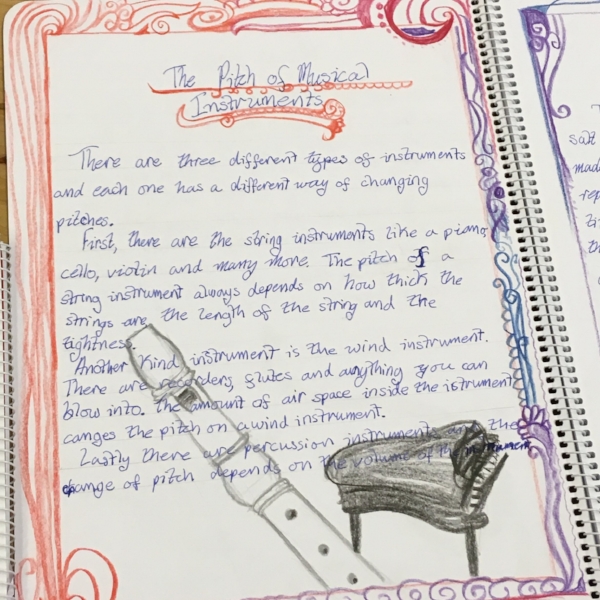
This year our 6th grade, taught by Ms. Lori (with blocks taught by Ms. Toles and Mr. Steegmans), began with a geology block, including what can be observed in our corner of the world through an overnight trip to Mt. St. Helens. Physics, taught by Mr. Steegmans, offered practice making observations, using them as a starting point for uncovering some of the laws of the universe. We use a phenomenological approach to science -- teaching through observation and experience first, practicing careful watching, and then discussing and writing and repeating an experiment. Before the winter break, the class also studied the Roman Empire, including early legal structures and architecture. The class has also had a Business Math block with Ms. Toles, investigating differing types of economies throughout history, as well as some new math including percentages and calculating interest.

Currently, the class is studying medieval history, including both the spread of Christianity and of Islam, as well as a look at social structures. As a part of this block, they look at knighting codes of conduct and honor, and they work towards a knighting ceremony of their own, with an aim towards personal growth and service, celebrating the results with a class gathering.

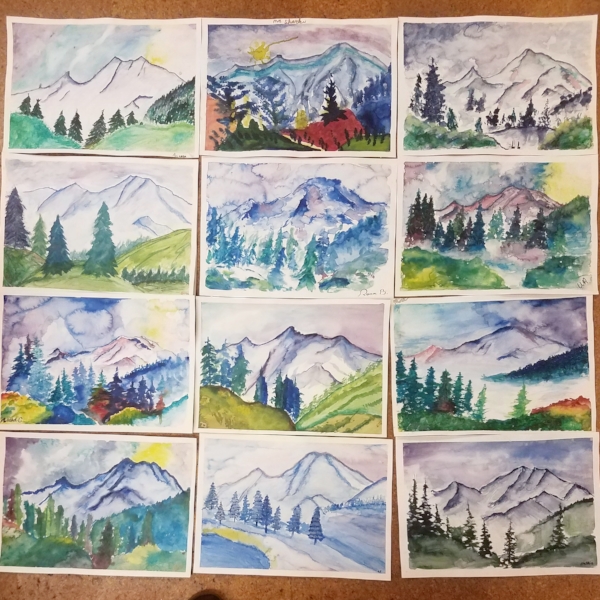
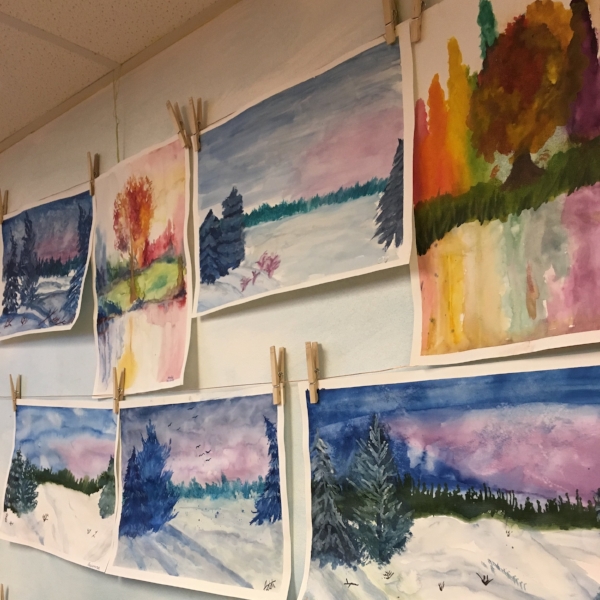
In the weeks that remain in the year, they will do geometry, grammar, astronomy and perform their class play. Beyond main lesson, they continue Spanish, strings and games classes. This class has long had a particular interest in painting, and this year their work is really developing as they play with new techniques and subject matters. They have handwork, with a chance to not only make something, but experience a bit of designing from paper to a 3-dimensional object. They join the other middle school classes for choir and stay later on Fridays for community electives -- artistic and active classes, often outside the confines of the school building. It is a full year, and just the beginning of a new phase in their personal and school journeys!

Want to know more about middle school and 6th grade at Madrona School? Ask your student's teacher, or contact the school office.

--edited from the school newsletter, January 23, 2018

Parent-Child Classes at Madrona School

What do our youngest students experience at Madrona School? We offer parent-child classes for children and a caregiver, age 12 months (and walking) to 36 months; babies as young as eight weeks can come to our parent-infant class, as well. Many families came to Waldorf education through parent-child classes, and a curiousity about what this type of education might mean for their family and parenting choices. Some simply desire to spend some time in the warmth and beauty of a Waldorf early childhood classroom, and some want to make connections in a community of like-minded families. These classes offer a glimpse into the early childhood rhythms present in preschool and kindergarten when the children move into an independent school experience, where our emphasis on imaginative free play and movement both indoors and out, grows with the child's developing capacities and physical capabilities. 

Our once weekly parent-child classes are taught by Joleen Hollow-Bist and Susie Lockard, both long-time Madrona School teachers. The classes introduce a school setting to a toddler, as well as offering a place of calm and community for caregivers. The classes offer the all important Waldorf early childhood tenet of rhythm, following the same schedule each week of free play, simple circle games, songs and story, bread baking, eating together and outdoor play. The teachers also share readings and invite conversation about parenting successes and challenges. The children have a chance to explore social interactions, they are nourished by a wholesome snack and open-ended play things, and they dig in to bread bun making and dish washing. Songs help frame different activities and offer an idea of carrying similar activities into the home. And, parents can begin to get to know one another, work on simple crafts, explore parenting topics and practice some mindful observation of the children.

We also offer parent-infant classes in shorter sessions, where the emphasis is on mindful parenting and being fully and joyfully present for our children. Parents learn simple songs and lap games to take home, as well as observation exercises and ideas for simple rhythms to shape family time.

New parent-child and parent-infant classes begin in the new year. If you know of anyone with babies or toddlers, please refer them to our website for more information: www.madronaschool.org/parent-child-classes or www.madronaschool.org-parent-infant-classes. Or, have them contact the school office at 206-855-8041.

A Season for Candles and Singing

The Shortest Day, by Susan Cooper, begins: And so the shortest day came and the year died / And everywhere down the centuries of the snow-white world / Came people singing, dancing, / To drive the dark away.... 

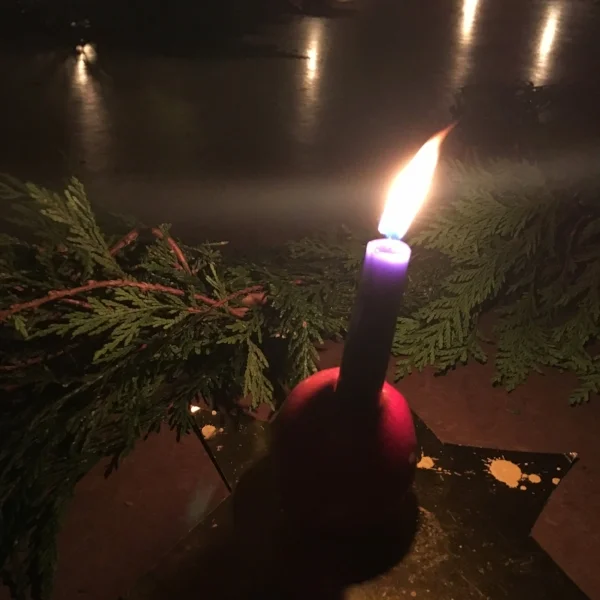
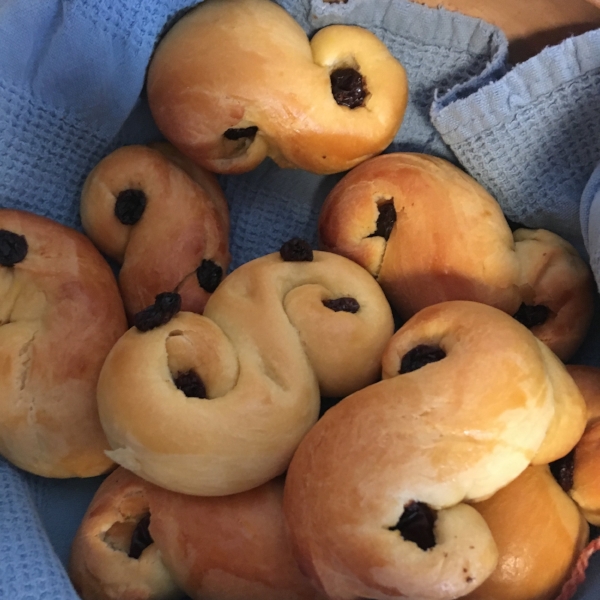
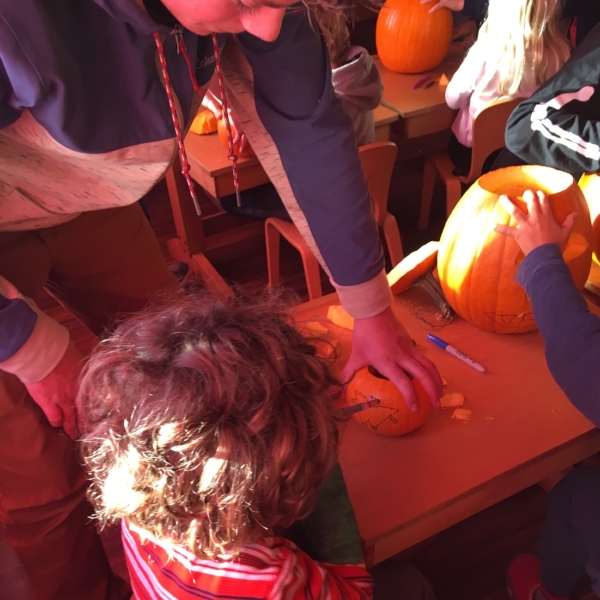
December at Madrona School brings candlelight and community singing. We gather together for our Spiral of Light festival, and the second grade brings us an annual Santa Lucia celebration. The classrooms sprout greenery and show off colorful windows, too. Our days are short but packed with a sense of festive anticipation. Enjoy this glimpse into this year's December.

1st Grade at Madrona School

What is 1st grade like at a Waldorf school? The 1st grade year at Madrona School marks the beginning of an eight year school journey. The theme of the year is formation: where the class teacher builds relationships between and amongst the children and parents to grow the all important class community; where the children begin to form the habits that will mark their student lives; where the building blocks of writing, reading and math are planted and nurtured. The class teacher is traditionally at the start of their journey too, looping up through the grades, beginning relationships that will grow and change as the children move through many developmental stages.

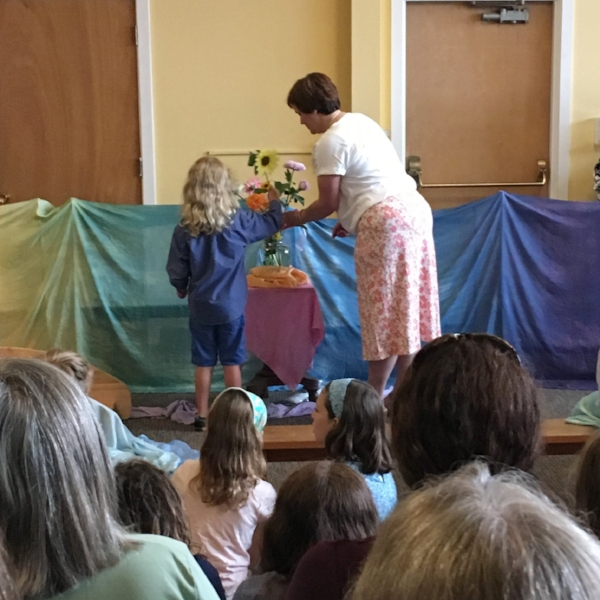
The year begins with the Rose Ceremony. The whole of the grade school gathers together to welcome in the new 1st grade class. While everyone looks on, our newest students literally bridge from early childhood to grade school, bringing a flower with them to form a bouquet the represents their new class community. As they walk across a wooden bridge, their new teacher is there to shake their hand and welcome them to 1st grade. We also acknowledge the breadth of the journey they undertake with our 8th grade class, whom, while at the opposite end of their school journey, do remember what it was like to be in 1st grade and are there with welcoming roses and a promise to work with the newest class throughout the year. Once the brief ceremony concludes, the class returns to their classroom with their teacher for their first lesson -- a story, and some form drawing.

There is so much to learn in first grade. It is truly hard work to sit at a desk, to stand in line, to raise your hand before you speak, to care for your own self, and learn to see, hear and care for your classmates. And then there is the academic work, and in first grade we focus on writing, reading and math. Letters and simple words and sentences step children towards independent reading; exploring the qualities of numbers and the four basic processes introduce mathematics; science comes through observing nature on neighborhood walks and in seasonal song. There is time to work at your own pace, to practice careful book work, to learn to listen well.

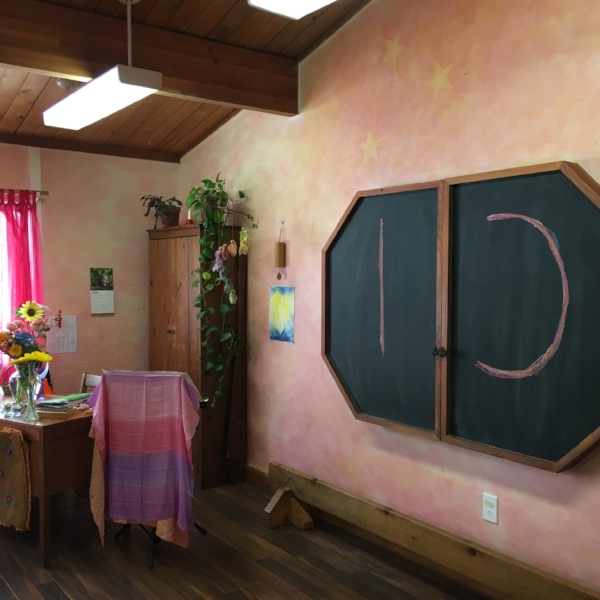
One example of a lesson is the first form drawing lesson mentioned above, a seemingly simple exploration of straight lines and curved lines. Students are encouraged to carefully draw both and begin to observe them in the classroom -- the world we can see is, of course, made up of straight and curved lines, an idea that is foundational to art, to writing, to honing our all important observation skills. This first lesson illustrates how we encourage each student to observe the world around them, to mindfully approach their work, and the deceptive simplicity of truly seeing what underpins how we communicate.

Story is an important element of how we deliver material, and we engage a young student's imagination to teach abstract concepts such as letter sounds, and the qualities of numbers. Stories help make these ideas -- the sound a 'p' makes or what is '1', for example -- concrete and visible and memorable. Movement cements ideas too, and you will often see the first graders moving through a counting game or draped on the floor, spelling out words with their bodies. In addition to self-management and academics, the students have handwork, beeswax, painting, music, games and world language classes. The first grade curriculum is varied and interesting and so much fun, and it is no wonder that the children are tired at the end of their day!

Planning work is underway for next year's first grade class. Please help us spread the word about Madrona School's elementary education and the journey these young students begin together. Madrona School first graders begin a journey that is joyful, artistic, and emotionally intelligent, where each of our students prepares for life and learns to rub along together. What could be better?