The Benefits of Eurythmy...

We have one more adult eurythmy class this year with our visiting eurythmist, Audun Smit. The class is open to all this Friday at 9am in the EHCC Fellowship Hall. The following thoughts on eurythmy are offered by one of our founding parents and teachers, and were originally published in our weekly school newsletter on March 1, 2016.

Eurythmy- Nurture Your Own Heart and Soul

eurythmy.jpg

One of the most helpful things we can do for our children is to nurture our own hearts and souls. When, I’m calmer, my children are calmer. When I’m content, my children are content. Children reflect much of what they experience with the adults around them. And for the next 3 weeks we now have an incredible opportunity to nurture ourselves right here at Madrona- in a free adult eurythmy class.

The word eurythmy stems from the Greek roots for beautiful or harmonious rhythm. A dictionary may define eurythmy as a system of harmonious body movement to the rhythm of spoken words. But it is much more. Eurythmy is an art form created by Rudolf Steiner. And in a slightly modified form it can be appliedtherapeutically. Rudolf Steiner’s essential point is that eurythmy is visible speech, visible music. He described it as “art of the soul”. One can even go further and maintain that the movements of eurythmy do actually proceed out of the inner movements of the organization of man. That said, as you can see, it’s very hard to describe eurythmy in words; it really needs to be experienced.

I’m not a eurythmist, but I’ll share with you how I feel after finishing an adult eurythmy class. I feel calm, centered, and uplifted yet grounded. I feel a greater sense of connection- connection to a grander Source, to the others in the eurythmy circle, to the earth, and to myself. I feel pure joy! Wow- all in one hour!  Another added bonus- it’s just plain fun!

A bit of history that you may not be aware of is that Madrona School was seeded in eurythmy (and festivals). Prior to the start of the school, we were blessed with David Michael Monasch, a eurythmist from Seattle, coming to Bainbridge every week to teach eurythmy. We experienced the gift of community literally moving together as One during eurythmy class and I believe that those years of relating in this nonverbal way helped set the foundation for a healthy school to be co-founded.

Now we’re blessed with another amazingeurythmy teacher, Audun Smit .  I experience Audun’s presence as pure and clear. He exemplifies both groundedness and radiance. Before I learned his name, I found myself calling him “the Angelic Eurythmy teacher”. So even if you’re not so interested in eurythmy, it may be worth coming just to be in his presence.

I hope to see you in adult eurythmy class Friday mornings March 4, 11, 18 from 9:00-10:00. Actually I wish all parents could experience this simple, yet profound practice. After all, parenting isn’t always easy and we could all use a bit of nurturing for our own hearts and souls.

With deep gratitude,
Debby Haase
Former Madrona teacher of Grades 1-8
Parent of two Madrona graduates
Co-founder of Madrona
Madrona School Alphabet (E)

As we continue to celebrate what makes a Madrona School education unique through the alphabet, we have reached the letter 'E' ... and Eurythmy!

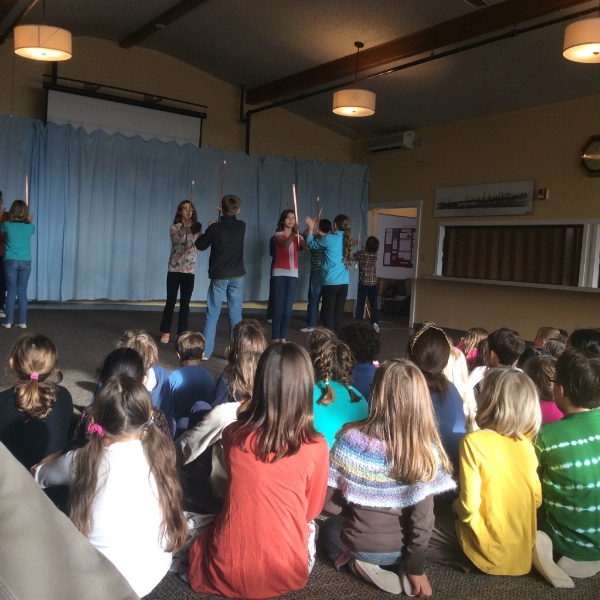
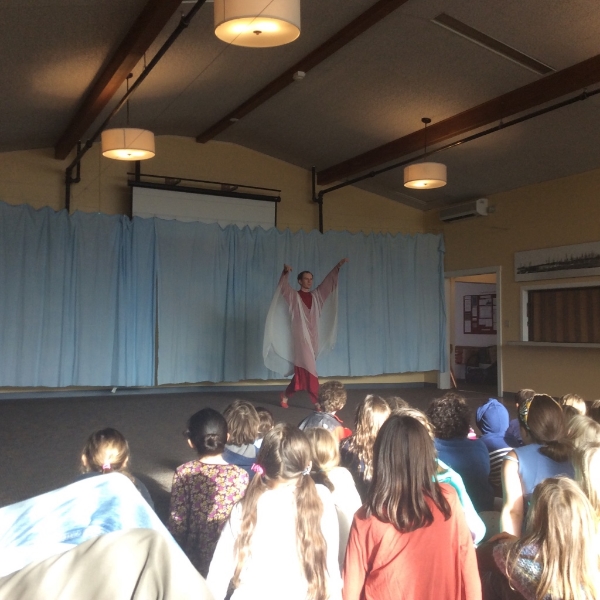
We just wrapped up a six-week block with visiting eurythmist, Audun Smit. Mr. Smit offered classes to our kindergartens and our grade school, as well as weekly opportunities for adults and at the opening of our faculty meetings. It was a true gift to our community!

Eurthymy is an art form from Rudolf Steiner based on movement, and making music and tone visible through that movement. Beautiful to watch and to do, it has elements of dance, sculpture and creative expression. Here at Madrona School, we offer eurythmy in blocks as we are able, providing some exposure for our students to this essential aspect of the Waldorf curriculum.

Movement in all its forms is so essential to learning, and Waldorf education emphasizes it throughout the curriculum. When we move, we learn -- coordination, problem solving, working effectively with others, etc. In our early childhood programs, children practice integration of movement, both gross and fine motor, in order to prepare themselves for their academic journeys ahead. And in grade school, movement continues to be critical for a greater integration of academic material, as well as practice for those all important social skills.  

And eurythmy is movement like nothing else we offer, with live piano accompaniment and uplifting verse. Truly a gift for each child, even as they work on spatial awareness and social integration, expressing themselves from the inside out. 

-- edited in part from the school newsletter, November 19, 2013

Images From The Season

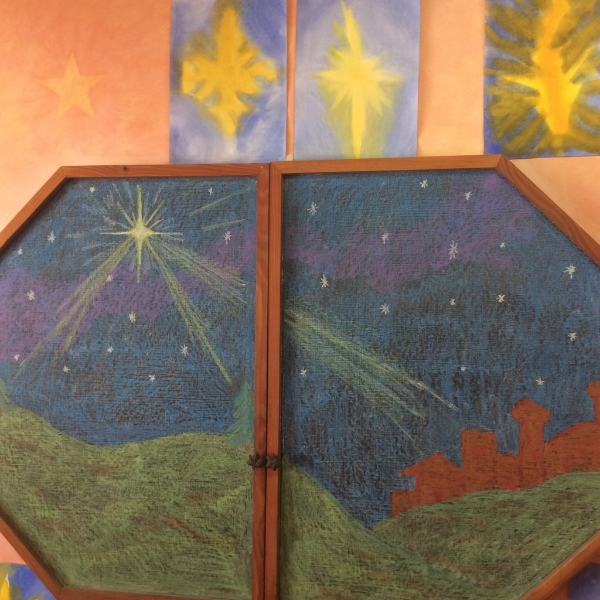
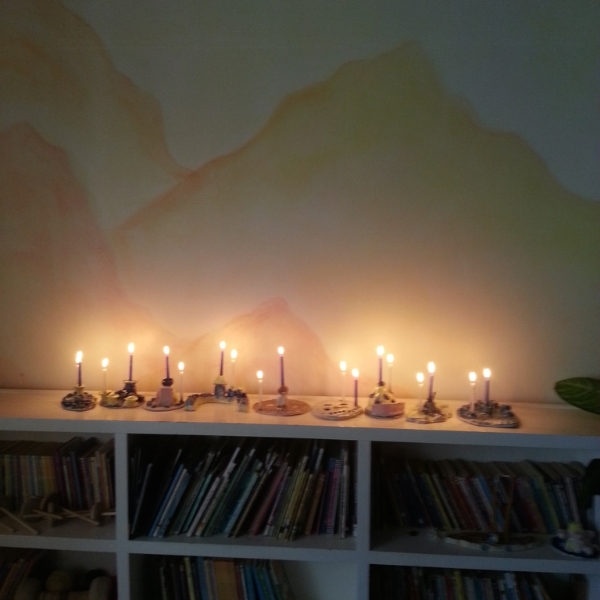
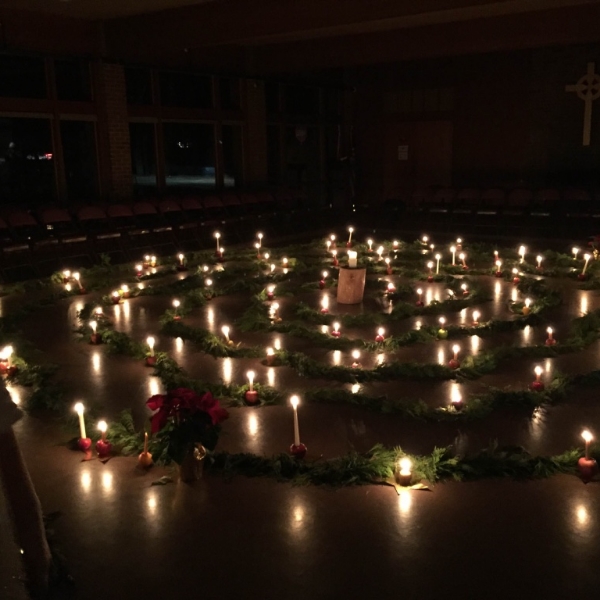
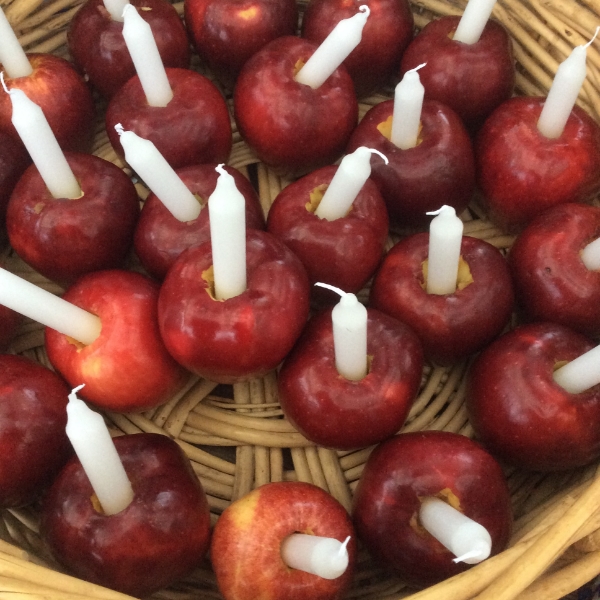
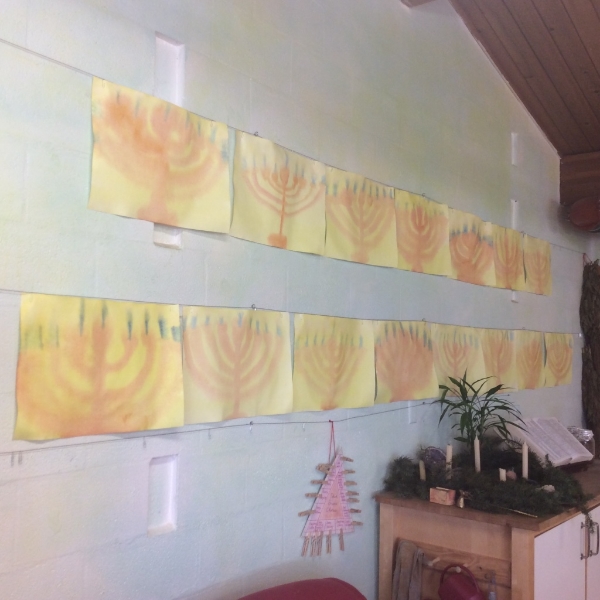
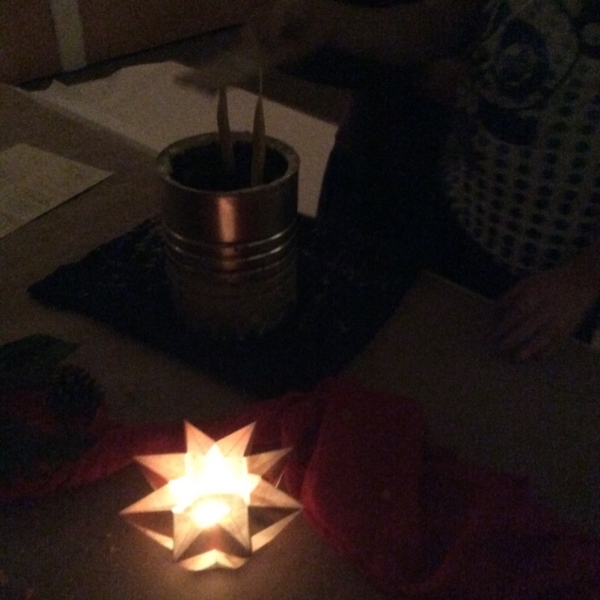
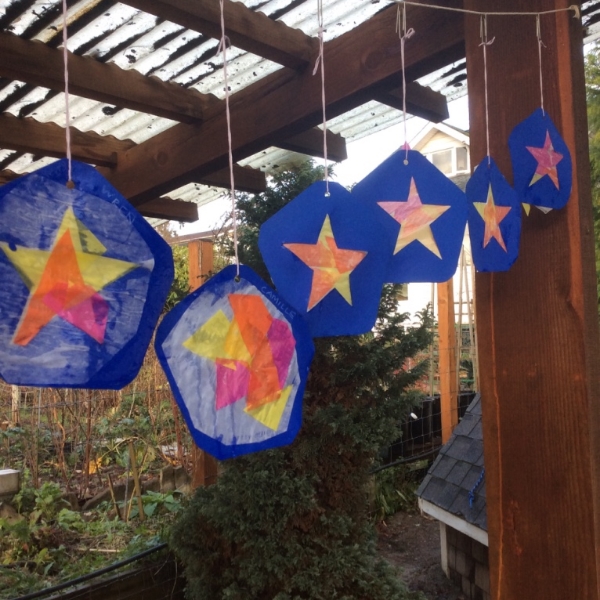
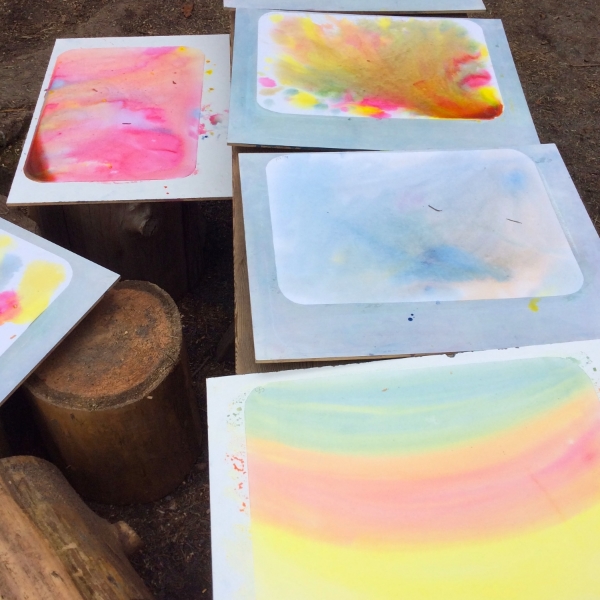
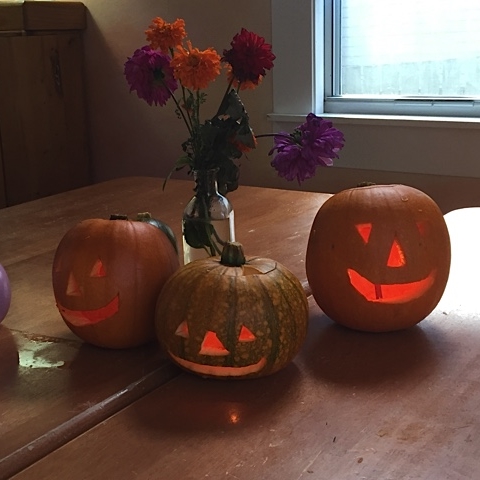
At Madrona School, we mark the darkest time of the year with opportunities to remember and celebrate the light that shines within all of us. Enjoy this selection of recent images from the life of our school -- and Happy Solstice and holiday season!

Madrona School Alphabet (D)

What makes a Madrona School education unique and special?
During the 2013-2014 school year, we celebrated what a Waldorf education offers both our children and our community as we strive to graduate creative and eager lifelong learners. Using the alphabet gave us 26 aspects to celebrate! 

D is for Drama! We enjoy good drama (of a certain kind!) at Madrona School. In our early childhood programs, we nurture imaginative play acting each and every day. And, each grade school class puts on a play every year.  From the simplest beginnings in 1st grade, to full blown productions in 7th and 8th, our students learn to be comfortable performing on a stage. They memorize lines, work together on sets and staging, speak clearly and with passion, sing and make music. Drama enhances literacy, creativity, self-confidence, flexibility -- and it's fun!

-- edited from our school newsletter on October 1, 2013

Making Sense of the News

Monday, November 16, 2015

Dear parents,
While we work hard not to overwhelm you with extra e-traffic, I feel compelled by the tragic events in Paris on Friday to reach out to you today.

How do we respond to this horrible news?  And how do we relay the facts of it to our children in a way that sets a healthy tone within our families and our school community?

One of the key precepts of Waldorf education is that during the precious first seven years of life we are actively cultivating an image of the world as good and beautiful for our children.  We want these children to be happy that they have arrived here to live their lives now.  Of course, as they grow older they will become aware of all of the difficulties this world holds for them and for human kind.  But for a brief interval, we work to keep suffering at bay as best we can.

I ask that you join me in protecting the innocence of the youngest members of our school community.  Children of kindergarten age or younger, as well as those in the lower school grades, should be protected as much as possible from knowledge of an event such as the tragedy in Paris. Please ask your older children not to discuss their knowledge of the situation at school, to protect the youngest and those who don’t yet know. If your younger children do hear about it, then they should be spared the details if at all possible. If you are in a family with only very young children, this should be possible at home by eliminating any media use around the children, and by not leaving newspapers or magazines where they can be seen casually.

If your child asks you about the event, the first thing is to stay calm. Ask them what they know about it, rather than telling them more. Don’t focus on trying to answer “why”, but listen to their feelings, and provide reassurance that they will be safe.  Please give only age-appropriate information, without belaboring the details.  Even older students do not need to know all of the grisly details.

Thank you for being conscious of your own speaking: be aware of what you are saying and who might be nearby listening.   Meanwhile, make sure to take care of your own feelings of grief, anger, frustration, despair by gathering with other adults to seek comfort and companionship as needed.

By upholding the principle of tending to the needs of our youngest students first, we can collectively bring healing and hope to our community and the larger world.

In gratitude for the gift that each of you is to our school,
Missi

--originally published as a letter to our school community on Nov. 16, 2015

Lanterns Walks Bring Light As Days Grow Shorter

The sunlight fast is dwindling.
My little lamp needs kindling.
It beam shines far in darkest night.
Dear lantern, guard me with your light.

Helle Heckmann Visits Madrona School

Join us for a special parent enrichment opportunity right here on Bainbridge Island! Helle Heckmann will speak at Madrona School on Saturday, November 14 at 10am. We'll meet in the Thimbleberry / Salmonberry classroom (lower archway just off the north parking lot) for a lecture entitled "The Five Golden Keys in Early Childhood."

Helle Heckmann is visiting us from Denmark where she founded the outdoor daycare and kindergarten, Nøkken. She brings over 30 years of experience working with young children and is a powerful, internationally-renowned voice for the protection of childhood. This talk will offer practical advice for parents, and an understanding of the young child's basic and most important needs. Helle Heckmann has been a mentor to many Waldorf teachers, and we are honored to welcome her to Madrona School!

All interested adults are most welcome!