Exploring Waldorf

8th Grade Independent Projects

The 8th grade provided tremendous presentations of their independent projects last Friday evening. We were happy to have so many in our community present to support these remarkable young people too. Thank you to all those who made it a priority to come! 

Mr. Nottage, our 8th grade teacher, introduced our presenters with some brief remarks that got right to the heart of why our 8th grade students do these projects each year. He reminded us all that our children learned to stand upright in their first year without direct instruction -- it came from within. That is also the idea of these efforts, where the 8th graders reflect and propose a project of their own choosing and embark on a months-long journey that culminates in presentations where we see their inner volition to stand independently before their school community. Poise, humor, flexibility and problem solving are all on display in abundance!

We offer a brief glimpse into the variety of this year's projects:

Evan was inspired by an outdoor art show he attended last summer. When it came time to choose a project, he reached out to one of the artists he admired, a sculptor working in recycled metal. Learning different welding techniques, he created a ten a…

Evan was inspired by an outdoor art show he attended last summer. When it came time to choose a project, he reached out to one of the artists he admired, a sculptor working in recycled metal. Learning different welding techniques, he created a ten and a half foot metal arch and planter that will have a permanent home at the school's Lowery Farm.

Macy chose to learn digital photography and editing, shifting her focus from sports photography to nature photography when her mentor changed mid-project. Her photos, shown here on canvas, were beautiful! 

Macy chose to learn digital photography and editing, shifting her focus from sports photography to nature photography when her mentor changed mid-project. Her photos, shown here on canvas, were beautiful! 

Emily was inspired by a trip to Venice to explore Italian cooking. Working with our own (staff member and parent) Italian chef, she learned to make fresh pasta and ravioli, marinara sauce and cannolis. She put it all together in a feast for friends …

Emily was inspired by a trip to Venice to explore Italian cooking. Working with our own (staff member and parent) Italian chef, she learned to make fresh pasta and ravioli, marinara sauce and cannolis. She put it all together in a feast for friends and family, and even shared cannolis with us on Friday. So tasty!

Morgan, with her love of singing and musical theater, chose to learn the basics of guitar, so that she could accompany herself. For her presentation, she learned the ABBA song, "I Have a Dream," and performed it for us. Wonderful playing and singing!

Morgan, with her love of singing and musical theater, chose to learn the basics of guitar, so that she could accompany herself. For her presentation, she learned the ABBA song, "I Have a Dream," and performed it for us. Wonderful playing and singing!

Ellie was inspired by an 8th grade project from the class of 2015 to create a yearbook for the school. She has been taking and editing photographs around school all year long, and over spring break, began her layout into a book. The yearbook is avai…

Ellie was inspired by an 8th grade project from the class of 2015 to create a yearbook for the school. She has been taking and editing photographs around school all year long, and over spring break, began her layout into a book. The yearbook is available to order with proceeds benefitting the 8th grade class trip.

Marisol worked with a community artist to learn the art of graffiti and spray painting. She practiced her new craft on the old buildings at Blakely Harbor, and in her final piece for her presentation, painted on panels and shown here.

Marisol worked with a community artist to learn the art of graffiti and spray painting. She practiced her new craft on the old buildings at Blakely Harbor, and in her final piece for her presentation, painted on panels and shown here.

Harrison, inspired by a 7th grade Friday elective, worked with a local coach to learn the sport -- the art? -- of parkour. He made a video to demonstrate his skills on a route he devised incorporating the Ordway playground. His athleticism and humor…

Harrison, inspired by a 7th grade Friday elective, worked with a local coach to learn the sport -- the art? -- of parkour. He made a video to demonstrate his skills on a route he devised incorporating the Ordway playground. His athleticism and humor were on display!

Mikel explored fashion design and honed sewing skills with his project. Working with the owner of Esther's Fabrics, he designed and completed two skirts, as well as a top from a commercial pattern, learning a lot about fabric and drape and construct…

Mikel explored fashion design and honed sewing skills with his project. Working with the owner of Esther's Fabrics, he designed and completed two skirts, as well as a top from a commercial pattern, learning a lot about fabric and drape and construction along the way!

Isaiah worked to build a stand up paddleboard from the ground up. Made of marine grade plywood and cedar, the paddleboard is a thing of beauty, and will be launched just as soon as it gets its fiberglass coating.

Isaiah worked to build a stand up paddleboard from the ground up. Made of marine grade plywood and cedar, the paddleboard is a thing of beauty, and will be launched just as soon as it gets its fiberglass coating.

Katja took herself on a creative journey into songwriting. She explored chord progressions, melody and lyric writing along the way. The result was a song which she performed through voice and ukulele at the presentation, and recorded as well. It was…

Katja took herself on a creative journey into songwriting. She explored chord progressions, melody and lyric writing along the way. The result was a song which she performed through voice and ukulele at the presentation, and recorded as well. It was a heartfelt and gorgeous piece and performance!

Madrona School Alphabet (K)

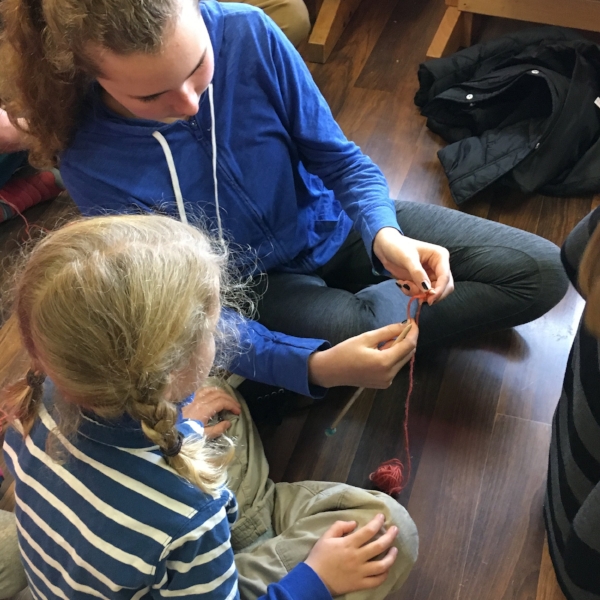
Next up in our alphabet-based exploration of what makes a Waldorf education unique...K is for knitting…and our handwork program in general. Handwork is one of the unique specialty classes offered in a Waldorf school. Developed to work in tandem with the curriculum as a whole, handwork strengthens fine motor skills and helps with hand-eye coordination, which in turn help students with writing, reading and math. Knitting, crochet, clay, woodcarving, embroidery etc., all contribute to the formative artistic foundations within a Waldorf education, fostering creativity, flexibility and independence.

Handwork is offered in kindergarten at Madrona School with some sewing and woodworking projects, but the program begins in earnest in 1st grade with knitting, providing a foundation for the rest of the program to build upon in future years. And, while students learn to knit, they come to see the beauty and utility that can be made with their own hands, simple materials and some perseverance. Often, the students will make something in this first year that they use everyday throughout their grade school years, like a flute case. Ask any older grade school student and they can probably remember what it was like to finally see their mistakes and fix them, to count the "mountains" in their knitted fabric, and the pride they felt upon the project's completion. There is a comfort in using something they made, even as they grow older and their skills improve.

For additional information, read Patricia Livingston's article "The Importance of Handwork in the Waldorf School", originally published in Renewal 9(1), 2000. Or see our blog post on handwork dated February 15, 2017.


6th Grade at Madrona School

The middle school years mark an important transition for any child, and there is much to celebrate around developing capacities and growth. 6th grade is often a year "in between" -- bridging the balance and relative ease of late childhood with the transformation of puberty, and as the year goes on there is often a palpable shift in the mood of the class. A 6th grader is often described as having "landed firmly on the earth," beginning to look inwards, even as their capacity for observation of the outside world sharpens. 6th graders want to understand the "whys" behind what their parents and teachers say, and they pay attention to what is fair. Peer groups are increasingly important too, as they begin to seek their place, and at Madrona School where a class has been together for years, there can be an ease and comfort to this process within school.

With the developmentally-appropriate curriculum in a Waldorf school, the subjects brought to the class reflect the shift into adolesecence. Sciences, both physical and laboratory, offer opportunities for observation and keep a sense of wonder in the world growing. History, through studying the Roman Empire and the Middle Ages, bring discussion of the spread of systems of law and order, as well as religion and culture. Math has a practical bent to it with business math and an introduction to economics, as well as form brought through geometry. It's a year with a broad and grounding look at the world.

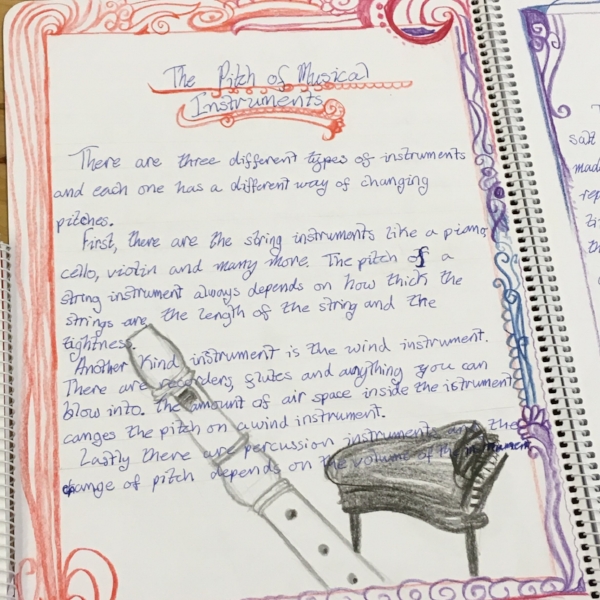
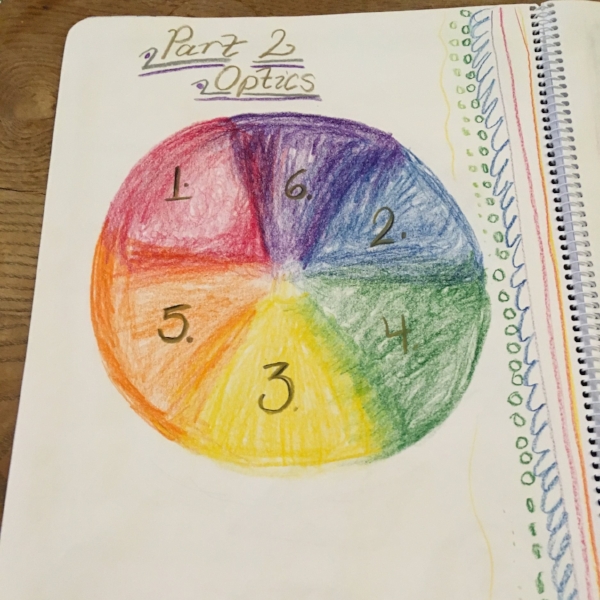
This year our 6th grade, taught by Ms. Lori (with blocks taught by Ms. Toles and Mr. Steegmans), began with a geology block, including what can be observed in our corner of the world through an overnight trip to Mt. St. Helens. Physics, taught by Mr. Steegmans, offered practice making observations, using them as a starting point for uncovering some of the laws of the universe. We use a phenomenological approach to science -- teaching through observation and experience first, practicing careful watching, and then discussing and writing and repeating an experiment. Before the winter break, the class also studied the Roman Empire, including early legal structures and architecture. The class has also had a Business Math block with Ms. Toles, investigating differing types of economies throughout history, as well as some new math including percentages and calculating interest.

Currently, the class is studying medieval history, including both the spread of Christianity and of Islam, as well as a look at social structures. As a part of this block, they look at knighting codes of conduct and honor, and they work towards a knighting ceremony of their own, with an aim towards personal growth and service, celebrating the results with a class gathering.

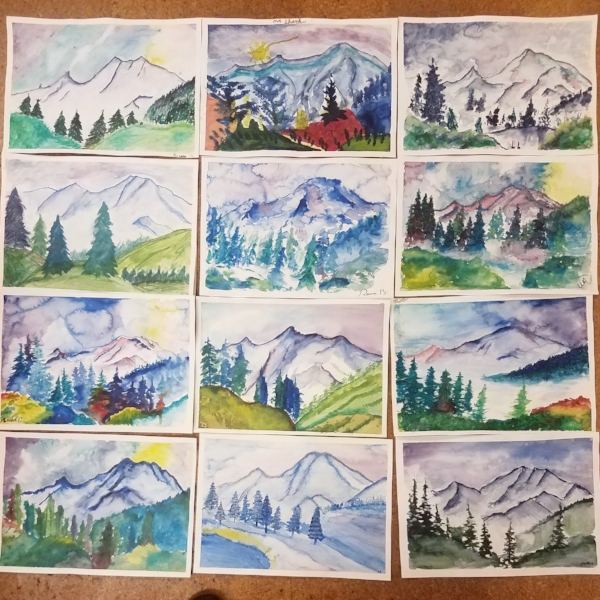
In the weeks that remain in the year, they will do geometry, grammar, astronomy and perform their class play. Beyond main lesson, they continue Spanish, strings and games classes. This class has long had a particular interest in painting, and this year their work is really developing as they play with new techniques and subject matters. They have handwork, with a chance to not only make something, but experience a bit of designing from paper to a 3-dimensional object. They join the other middle school classes for choir and stay later on Fridays for community electives -- artistic and active classes, often outside the confines of the school building. It is a full year, and just the beginning of a new phase in their personal and school journeys!

Want to know more about middle school and 6th grade at Madrona School? Ask your student's teacher, or contact the school office.

--edited from the school newsletter, January 23, 2018

Parent-Child Classes at Madrona School

What do our youngest students experience at Madrona School? We offer parent-child classes for children and a caregiver, age 12 months (and walking) to 36 months; babies as young as eight weeks can come to our parent-infant class, as well. Many families came to Waldorf education through parent-child classes, and a curiousity about what this type of education might mean for their family and parenting choices. Some simply desire to spend some time in the warmth and beauty of a Waldorf early childhood classroom, and some want to make connections in a community of like-minded families. These classes offer a glimpse into the early childhood rhythms present in preschool and kindergarten when the children move into an independent school experience, where our emphasis on imaginative free play and movement both indoors and out, grows with the child's developing capacities and physical capabilities. 

Our once weekly parent-child classes are taught by Joleen Hollow-Bist and Susie Lockard, both long-time Madrona School teachers. The classes introduce a school setting to a toddler, as well as offering a place of calm and community for caregivers. The classes offer the all important Waldorf early childhood tenet of rhythm, following the same schedule each week of free play, simple circle games, songs and story, bread baking, eating together and outdoor play. The teachers also share readings and invite conversation about parenting successes and challenges. The children have a chance to explore social interactions, they are nourished by a wholesome snack and open-ended play things, and they dig in to bread bun making and dish washing. Songs help frame different activities and offer an idea of carrying similar activities into the home. And, parents can begin to get to know one another, work on simple crafts, explore parenting topics and practice some mindful observation of the children.

We also offer parent-infant classes in shorter sessions, where the emphasis is on mindful parenting and being fully and joyfully present for our children. Parents learn simple songs and lap games to take home, as well as observation exercises and ideas for simple rhythms to shape family time.

New parent-child and parent-infant classes begin in the new year. If you know of anyone with babies or toddlers, please refer them to our website for more information: www.madronaschool.org/parent-child-classes or www.madronaschool.org-parent-infant-classes. Or, have them contact the school office at 206-855-8041.

1st Grade at Madrona School

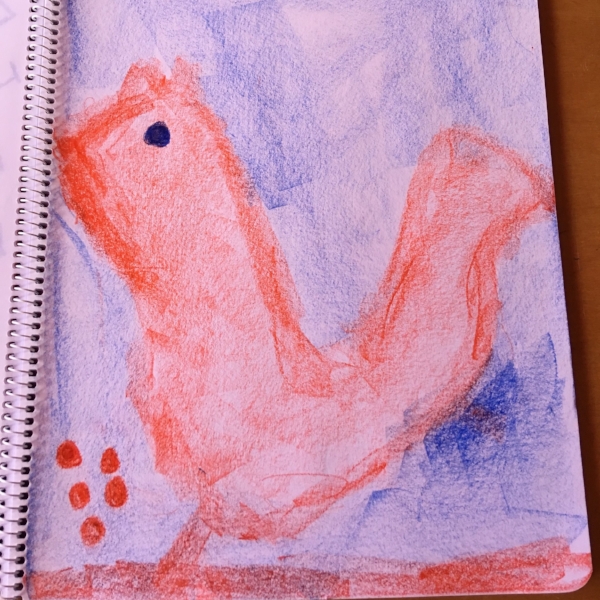
What is 1st grade like at a Waldorf school? The 1st grade year at Madrona School marks the beginning of an eight year school journey. The theme of the year is formation: where the class teacher builds relationships between and amongst the children and parents to grow the all important class community; where the children begin to form the habits that will mark their student lives; where the building blocks of writing, reading and math are planted and nurtured. The class teacher is traditionally at the start of their journey too, looping up through the grades, beginning relationships that will grow and change as the children move through many developmental stages.

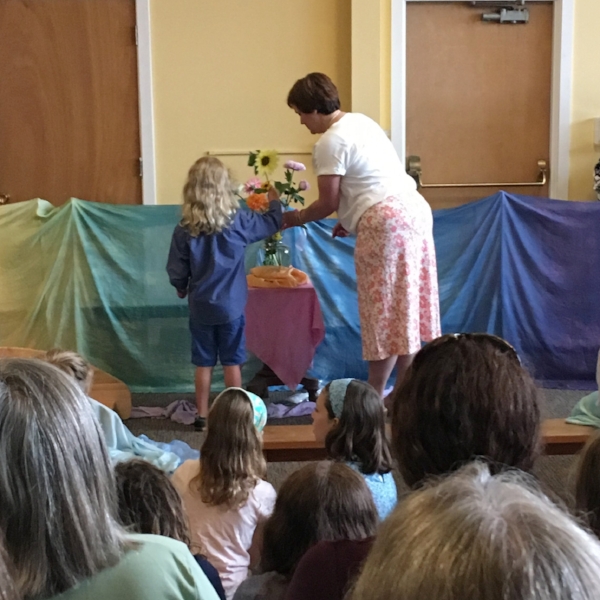
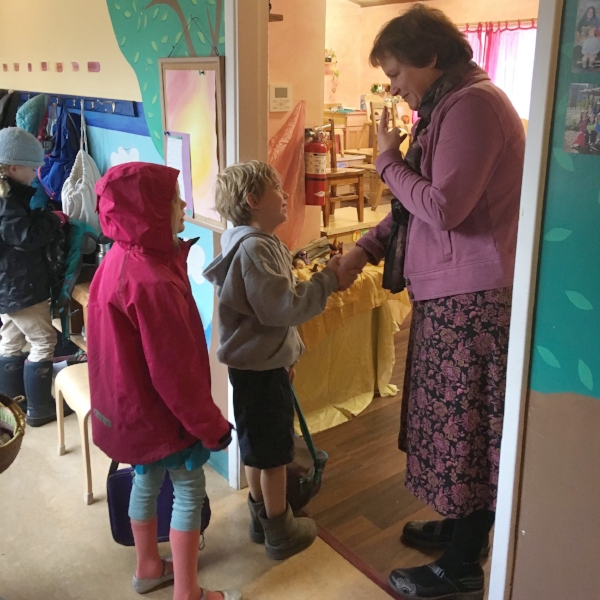
The year begins with the Rose Ceremony. The whole of the grade school gathers together to welcome in the new 1st grade class. While everyone looks on, our newest students literally bridge from early childhood to grade school, bringing a flower with them to form a bouquet the represents their new class community. As they walk across a wooden bridge, their new teacher is there to shake their hand and welcome them to 1st grade. We also acknowledge the breadth of the journey they undertake with our 8th grade class, whom, while at the opposite end of their school journey, do remember what it was like to be in 1st grade and are there with welcoming roses and a promise to work with the newest class throughout the year. Once the brief ceremony concludes, the class returns to their classroom with their teacher for their first lesson -- a story, and some form drawing.

There is so much to learn in first grade. It is truly hard work to sit at a desk, to stand in line, to raise your hand before you speak, to care for your own self, and learn to see, hear and care for your classmates. And then there is the academic work, and in first grade we focus on writing, reading and math. Letters and simple words and sentences step children towards independent reading; exploring the qualities of numbers and the four basic processes introduce mathematics; science comes through observing nature on neighborhood walks and in seasonal song. There is time to work at your own pace, to practice careful book work, to learn to listen well.

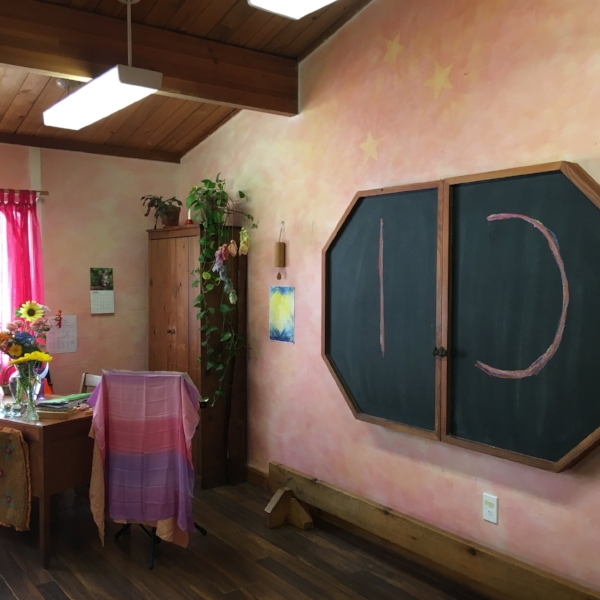
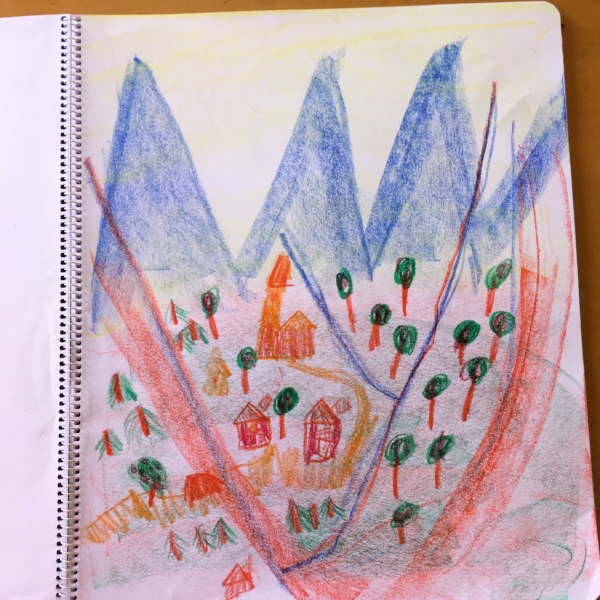
One example of a lesson is the first form drawing lesson mentioned above, a seemingly simple exploration of straight lines and curved lines. Students are encouraged to carefully draw both and begin to observe them in the classroom -- the world we can see is, of course, made up of straight and curved lines, an idea that is foundational to art, to writing, to honing our all important observation skills. This first lesson illustrates how we encourage each student to observe the world around them, to mindfully approach their work, and the deceptive simplicity of truly seeing what underpins how we communicate.

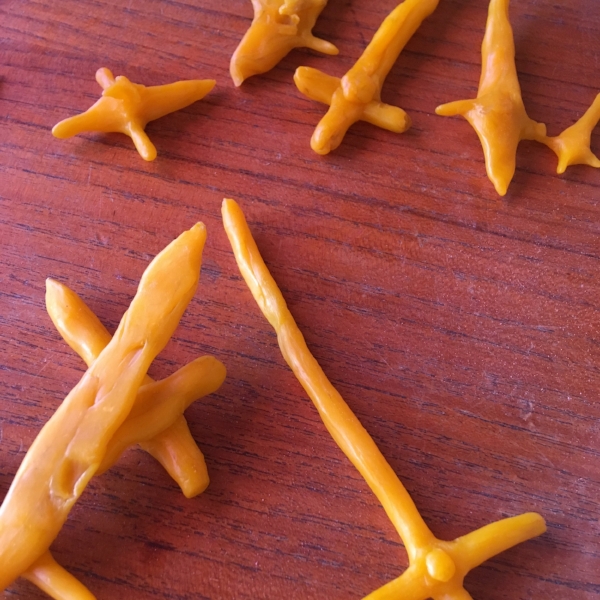
Story is an important element of how we deliver material, and we engage a young student's imagination to teach abstract concepts such as letter sounds, and the qualities of numbers. Stories help make these ideas -- the sound a 'p' makes or what is '1', for example -- concrete and visible and memorable. Movement cements ideas too, and you will often see the first graders moving through a counting game or draped on the floor, spelling out words with their bodies. In addition to self-management and academics, the students have handwork, beeswax, painting, music, games and world language classes. The first grade curriculum is varied and interesting and so much fun, and it is no wonder that the children are tired at the end of their day!

Planning work is underway for next year's first grade class. Please help us spread the word about Madrona School's elementary education and the journey these young students begin together. Madrona School first graders begin a journey that is joyful, artistic, and emotionally intelligent, where each of our students prepares for life and learns to rub along together. What could be better?

8th Grade at Madrona School

We talk about 8th grade at Madrona School as a culmination of the grade school journey. Even in Waldorf schools that offer high school, 8th grade marks the end of what has likely been a multi-year relationship between a teacher and his/her class, as well as between the students, some of whom have been together for many years. In our 8th grade this year, there are students who've been classmates since preschool, and others who've joined as recently as last year. Regardless, it feels like a family. 

Our students are eagerly looking ahead to high school and the next step, but they are also nostaglic and may be beginning to reflect on their school journeys (wave a kindergarten bread bun in front of them for a sentimental demonstration, for example). They enjoy the freedom of their basement classroom, set a bit apart from the rest of the school, with its separate entrance and access to an outdoor eating area. They remain connected to the life of the school though, through work with younger grades, morning recess, and a weekly rhythm of choir and strings with the other middle schoolers.

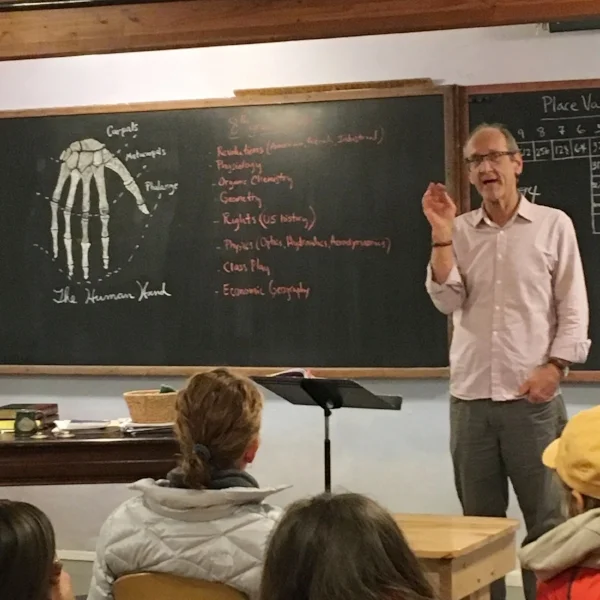
The 8th grade class is engaged in main lesson blocks with their class teacher, Mr. Nottage. They began their year with revolutions -- studying the American and French revolutions, and moving into the foundations and order of our American government that resulted from these historical events. Typically this is a lesson block brought in 8th grade Waldorf classrooms, and teachers emphasize that this study recognizes what is going on internally for an 8th grader as they work through the rich and often radical changes happening as they grow into young adults. 

The class moved into physiology mid-October, examining the skeletal system, and combining science and art, studying the order and beauty that literally carries us around. Organic chemistry and the geometry of solids will also be studied this fall, and after the winter break the class will study hydraulics and aerodynamics, economic geography and civil and labor rights. The curriculum draws on the students' burgeoning capacities for critical thinking, and their ever-increasing sophistication with writing and other forms of communication. The dinner table discussions get ever more interesting, especially as they move into an understanding of current events.

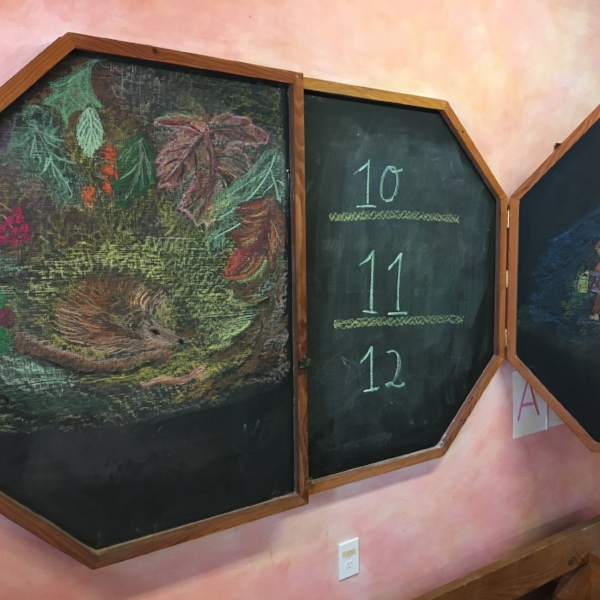
In other class periods, language arts offers more opportunity for self-expression in creative writing, as well as a sampling of biography. Math builds on what has come before, and supports othe theme of transformation, with the class recently exploring number bases beyond base 10, for example. Other specialty classes include handwork (sewing on machines), games, middle school choir and strings ensemble.

Watch for more from our 8th grade as the year develops. Long-term independent projects offer each student a chance to explore something they are interested in and they work with a mentor over several months. The projects end with presentations to the school community (set for April 13th), and you will all be invited, as these students demonstrate a Waldorf education's preparation beyond academics -- with emphasis on self-expression and self-possession. Then, two weeks later, the class play celebrates eight years of creating drama together. Finally, in early June, the week-long class trip offers a final field trip of sorts, this one highlighting the journey and growth of the class as a community. Graduation marks their public celebration of this journey, and you will be invited to come help us send off this amazing group of young people. It's going to be a great year!

--originally published in our October 17 newsletter

Madrona School Alphabet (J)

In our alphabet-based exploration on what makes a Madrona School education unique, 'J' is for joyful learning --the evidence we see in our students and for the joyful intention brought by our teachers.  Of course we all have our days, but notice how the children come through the school gate the next time you drop off. Many of them positively fly into the play yard, shouting a cheerful greeting to our head of school and running off to find friends. On one recent morning, the unique joy of each class was evident -- a peek into the second grade showed the students all at their desks, writing practice books open, listening attentively. In the third grade, they were busy composing themselves, putting lunches away, blowing noses, asking questions about the day's schedule with great excitement, yet assembling quickly when asked to do so. And in the fifth grade, they were standing tall, reciting their morning verse, looking like the seasoned students they've become. Notice these unique class personalities at our next school assembly, where it is abundantly evident that our students are eager to share, taking pride in their classes and their work. A joyful learning environment leads to a lifelong love of learning, and enhances our innate curiosity about the world.

--edited from our Tuesday Newsday, October 15, 2013

Kindergarten at Madrona School

This year, we plan to highlight each of our early childhood classes and grades in our weekly school newsletter -- a chance for parents and our broader community to glimpse inside each classroom. First up, kindergarten!

Sometimes cozy and calm, sometimes rough and tumble, kindergarten at Madrona School is all about learning to love coming to school, with regular and predictable rhythms, connections with teacher, and all the social and emotional learning that happens with play in a classroom full of friends. Our two classes, taught by veteran early childhood teachers, share space both at Madrona School in the Eagle Harbor Congregational Church, and our Lowery Farm property in Rolling Bay. Friday adventure kindergarteners visit parks and beaches around the island. The school year is off to a sweet start, and with mixed-age classrooms, we welcome returning and new students each fall and slip quickly into a familiar daily and weekly rhythm. Let's take a look:

IMG_0984.JPG

The morning begins outdoors even on days when the class is not up at Lowery Farm, and when the children arrive, they need to prepare for the day. The children look to see how Sally Sunshine dressed for the morning's weather...Does Sally have rainboots on? Then we will put ours on too!

Opportunity for play is at the core of what we offer in kindergarten -- a chance for imaginations and bodies to grow and develop. Play lays a foundation for executive functioning and creative, flexible thinking. The kindergarten play is varied and vigorous and ever changing. In free lay, some children watch for a bit, some ask a teacher to turn a jump rope or get out the whittling knives, while others are off and planning games that can go on for many days. In one recent game, pine needles became both gold and hay, and many wheelbarrow and wagon loads were happily transported around the yard. In another game, climbing led to both roosters crowing and pterodactyls crying at the top of the sandbox structure.

We offer structured group play options too, with bread baking, painting, woodworking and walks, all opportunities to gather together for an activity.

Walks, for example, offer a chance to explore beyond the school grounds and strengthen and integrate young bodies. Both classes visit the Ted Olson Nature Preserve, just up the road from Lowery Farm. The paths, fairy houses, fallen logs and towering trees offer infinite fodder for further play!

Interspersed with periods of play and exploration, the class comes together -- for circle time, for snack and for story. Children delight in learning songs, poems, games and in hearing stories. Teachers know that the children are developing literacy with comprehension practice and inner picture work, as well as developing their attention spans too.

A nourishing kindergarten experience also includes nutrition. And, from mousie treats of seeds and fruit, to huckleberries picked high off the bush by a helpful teacher, to gathering around the table together for warm, organic food and conversation, there are many opportunities for good food in kindergarten!

By the end of the morning, a kindergartener has rosy cheeks from time spent outdoors, time immersed in imaginative play, joy in singing and games, and wholesome food. They are engaged with their classmates and teachers too. These kindergarten rhythms are laying a sturdy foundation for the academic learning to come, and it is just so much fun!