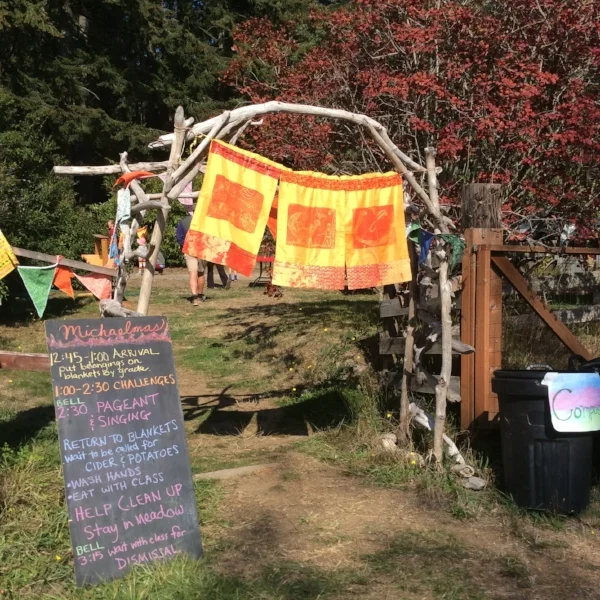
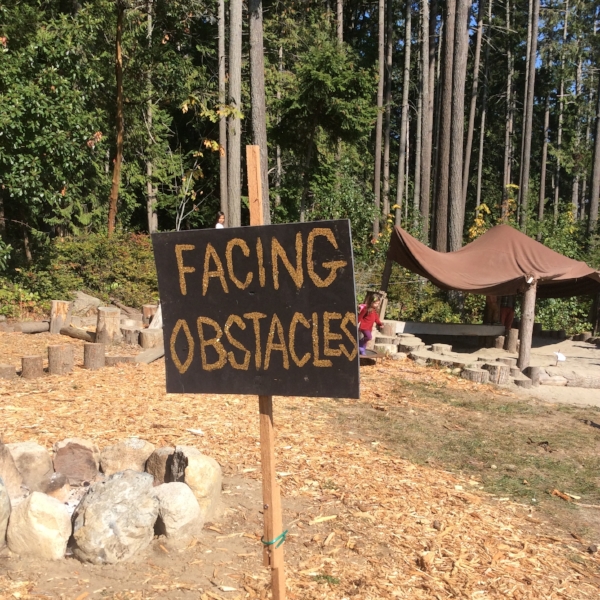
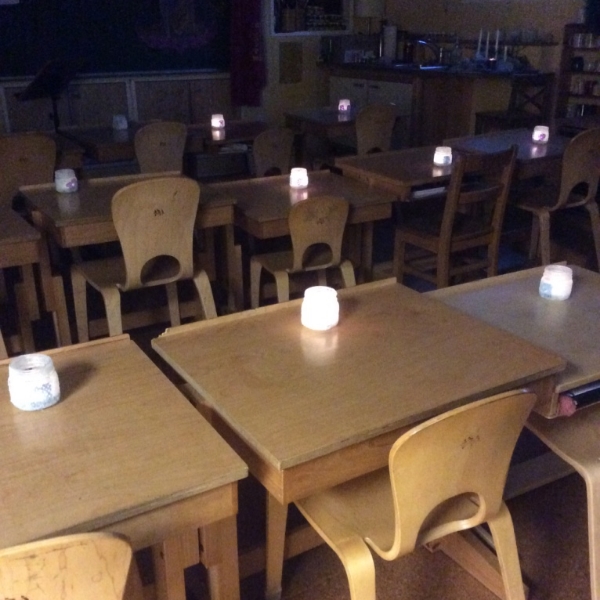
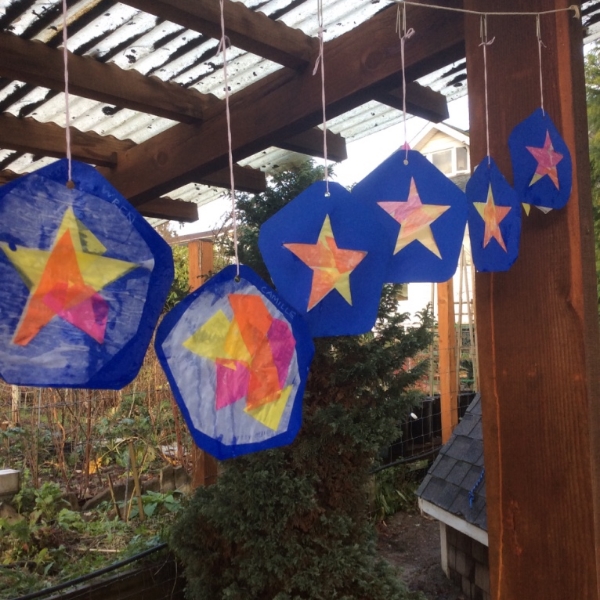
What a beautiful afternoon for our annual Michaelmas festival. We celebrate this time of year around the harvest, and call forth our courage and resolve as we head into the colder, wetter and darker time of the year. This past Friday afternoon, we enjoyed challenges (pillow jousting, rope climbing, an obstacle course, daring to go into the dragon's lair, etc.), activities like bread roasting and kite making, singing together and feasting on potatoes from our school garden. Thank you to the many hands that contributed to making this festival a wonderful success!
Teaching Science at Madrona School
We often talk about teaching academics as the "3Rs" -- reading, writing and arithmetic. But what about all of the other important academic subjects taught at Madrona School? The Waldorf methodology offers a classical education, a liberal arts approach that introduces students to a wide variety of subjects throughout their grade school years, in keeping with their developing capacities. How do we teach science, for example?
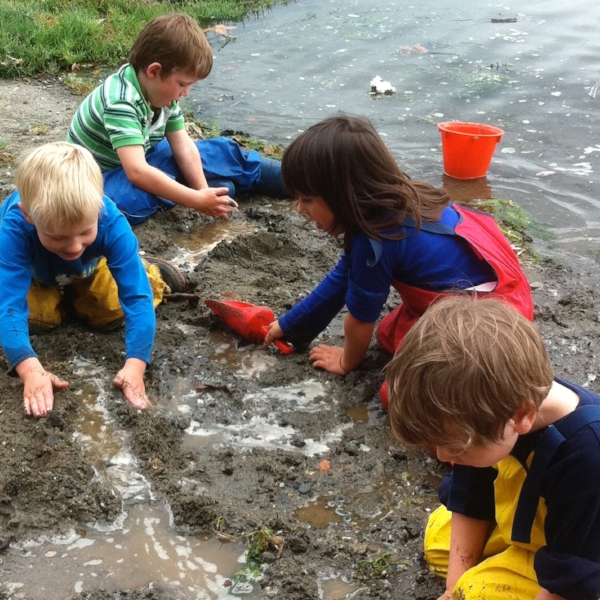
We really begin in early childhood, laying a solid foundation for academic work. For scientific studies specifically, we simply provide opportunities for our young students to explore in the natural world, doing. They dig, they bake bread and make jam, they climb over logs, they collect pocketfuls of rocks, they soak up the sunshine etc., using all of their senses and fully living into the world. As anyone with a small child knows, they are natural scientists -- curious about their world and eager to explore.
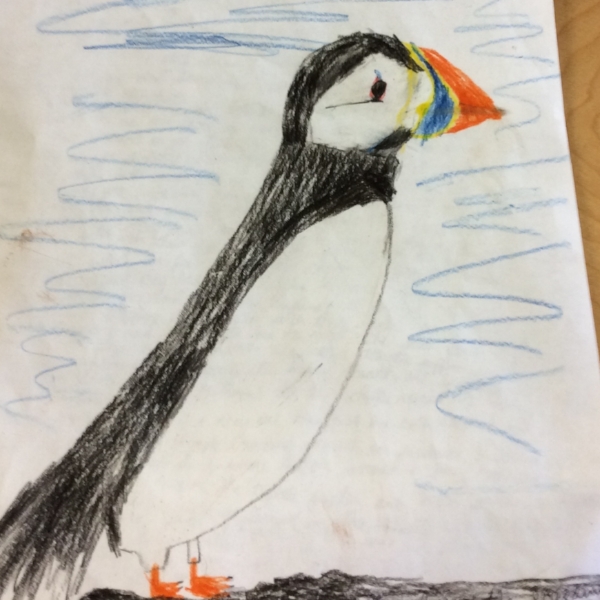
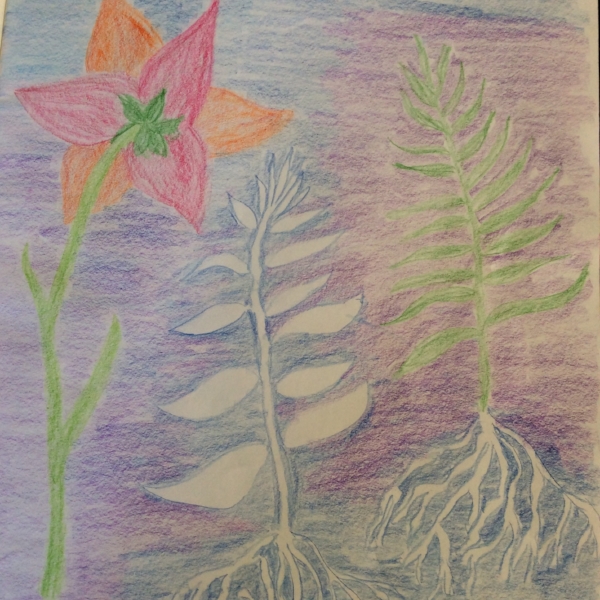
In the early grade school years, we work consciously to instill a sense of wonder in the natural world, nurturing ever increasing capacities for observation. 1st and 2nd graders go on walks, collecting horse chestnuts or pine cones or leaves, depending on the season, incorporating natural materials into classroom projects or math lessons. Or, they may do simple experiments, such as planting seeds and recording what happens. Beginning in 3rd grade, with its practical life curriculum, students have the opportunity for gardening. Our current 3rd and 4th graders are working with the garden at Lowery Farm, and they spend many hours there, tackling jobs, observing changes and recording it all in their gardening journals. In 4th grade, the students have their first specific science block, studying the animal kingdom, and writing an independent report. In 5th grade, a botany block allows for further careful observation and demonstration of the artistic techniques that have been practiced throughout grade school.
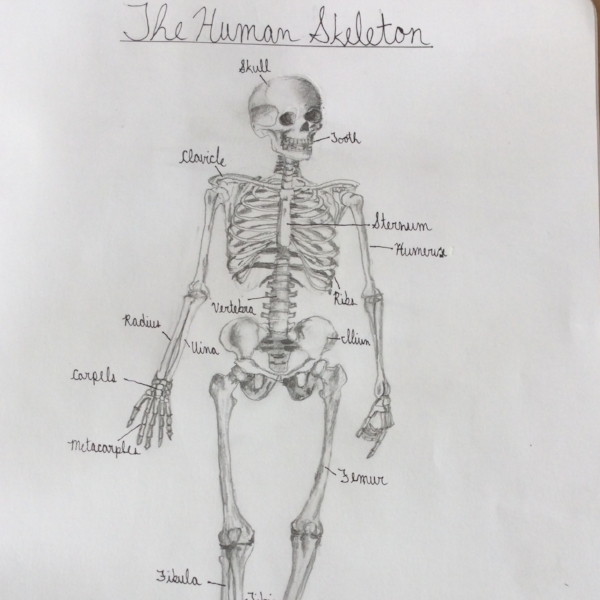
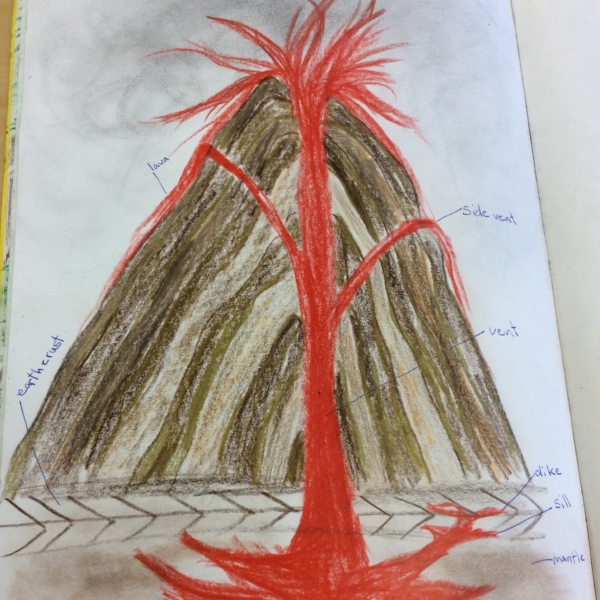
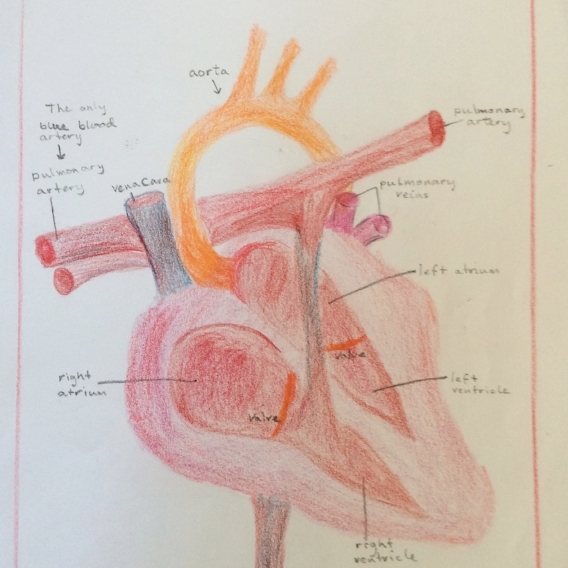
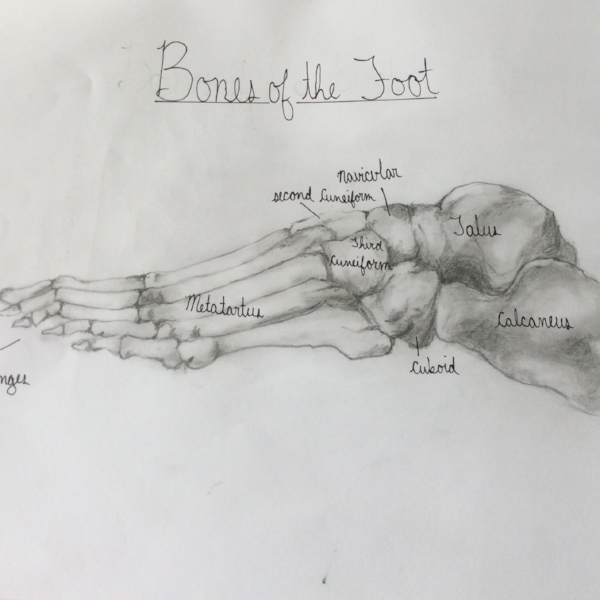
In middle school, we continue to teach through a connection to our observable world, and to the universe at large, using students' observation and communication skills in combination with their awakening capacities for abstract thinking. In 6th grade, the students study more science than they have to date, and we offer geology, astronomy and physics -- a close look at our planet and what it is made up of, the study of what surrounds us, and a first taste of a lab science. The Waldorf methodology takes a phenomenological approach to teaching science, which means we offer opportunities for observation of the laws of nature without teaching the theory first. In chemistry and physics blocks, for example, students will watch an experiment performed, take careful notes on what they see (learning the scientific format of procedure, equipment, observation and conclusion), then discuss possible explanations and reach conclusions as a class. Sometimes, after this process, a teacher will elaborate on the relevant theories and scientific laws further, but the hope is that the students can approach the theory themselves. Even when we teach a physiology block, the approach is an experiential one, where they begin with what they can observe or feel about their bodies, before talking about what makes up a particular part of the body.
When a child graduates from 8th grade, they've had a broad introduction to various scientific disciplines, from the natural sciences, to chemistry, to physics and beyond. They can express themselves with clarity and with beauty. And they have honed their observation skills, and practiced finding ways to express observable phenomena, providing a basis for learning and thinking about new subjects as they go on into high school.
Blacksmithing in 3rd Grade
There is so much "doing" in the practical life curriculum in a Waldorf school 3rd grade, and this year's class has baked, constructed, crocheted, dyed, harvested, hatched, planted, preserved, spun, threshed, etc. Today they spent main lesson out on the play yard forging with local blacksmith, Jeremy Loerch of Alchemy Industrial Arts. Each student made a coat hook: heating, hammering, bending and twisting the metal into shape. You could hear the ring of the hammer around the school building, and at recess time the taped off area around the portable forge was a draw for everyone.
Photos show: hammering and flattening the tip of the hook; shaping the hook; a demonstration of twisting for decoration; while groups of 4 worked at the forge, the rest of the class recorded their observations with both words and drawings.
The Benefits of Eurythmy...
We have one more adult eurythmy class this year with our visiting eurythmist, Audun Smit. The class is open to all this Friday at 9am in the EHCC Fellowship Hall. The following thoughts on eurythmy are offered by one of our founding parents and teachers, and were originally published in our weekly school newsletter on March 1, 2016.
Eurythmy- Nurture Your Own Heart and Soul
One of the most helpful things we can do for our children is to nurture our own hearts and souls. When, I’m calmer, my children are calmer. When I’m content, my children are content. Children reflect much of what they experience with the adults around them. And for the next 3 weeks we now have an incredible opportunity to nurture ourselves right here at Madrona- in a free adult eurythmy class.
The word eurythmy stems from the Greek roots for beautiful or harmonious rhythm. A dictionary may define eurythmy as a system of harmonious body movement to the rhythm of spoken words. But it is much more. Eurythmy is an art form created by Rudolf Steiner. And in a slightly modified form it can be appliedtherapeutically. Rudolf Steiner’s essential point is that eurythmy is visible speech, visible music. He described it as “art of the soul”. One can even go further and maintain that the movements of eurythmy do actually proceed out of the inner movements of the organization of man. That said, as you can see, it’s very hard to describe eurythmy in words; it really needs to be experienced.
I’m not a eurythmist, but I’ll share with you how I feel after finishing an adult eurythmy class. I feel calm, centered, and uplifted yet grounded. I feel a greater sense of connection- connection to a grander Source, to the others in the eurythmy circle, to the earth, and to myself. I feel pure joy! Wow- all in one hour! Another added bonus- it’s just plain fun!
A bit of history that you may not be aware of is that Madrona School was seeded in eurythmy (and festivals). Prior to the start of the school, we were blessed with David Michael Monasch, a eurythmist from Seattle, coming to Bainbridge every week to teach eurythmy. We experienced the gift of community literally moving together as One during eurythmy class and I believe that those years of relating in this nonverbal way helped set the foundation for a healthy school to be co-founded.
Now we’re blessed with another amazingeurythmy teacher, Audun Smit . I experience Audun’s presence as pure and clear. He exemplifies both groundedness and radiance. Before I learned his name, I found myself calling him “the Angelic Eurythmy teacher”. So even if you’re not so interested in eurythmy, it may be worth coming just to be in his presence.
I hope to see you in adult eurythmy class Friday mornings March 4, 11, 18 from 9:00-10:00. Actually I wish all parents could experience this simple, yet profound practice. After all, parenting isn’t always easy and we could all use a bit of nurturing for our own hearts and souls.
With deep gratitude,
Debby Haase
Former Madrona teacher of Grades 1-8
Parent of two Madrona graduates
Co-founder of Madrona

Keeping Wonder Alive for our Middle School Students
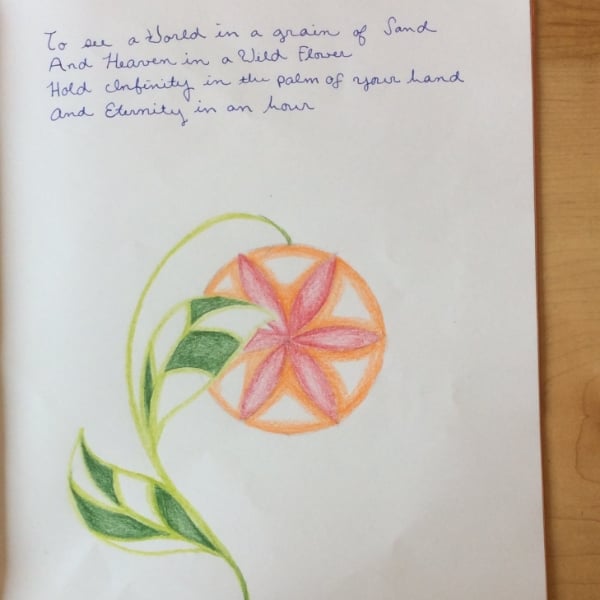
Cultivating wonder and beauty is a part of Waldorf education from early childhood, right on through. In middle school, students see wonder through literature, through the natural world, through math. This example of a page from a current 7th grade geometry main lesson book demonstrates this through a beautiful William Blake quote:
Madrona School Alphabet (E)
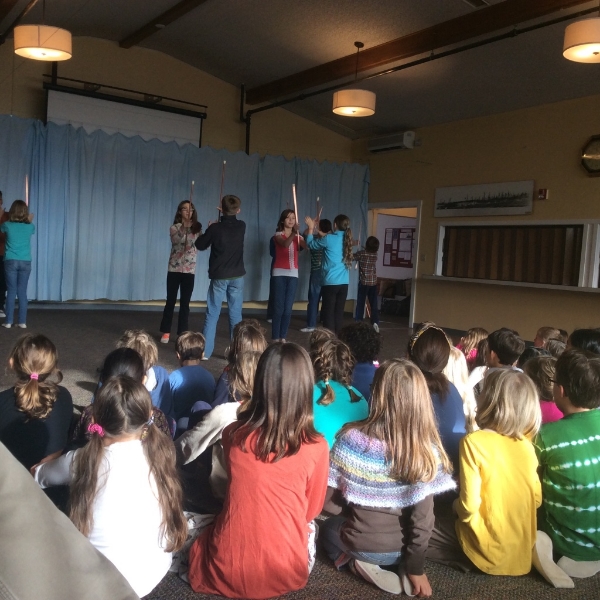
As we continue to celebrate what makes a Madrona School education unique through the alphabet, we have reached the letter 'E' ... and Eurythmy!
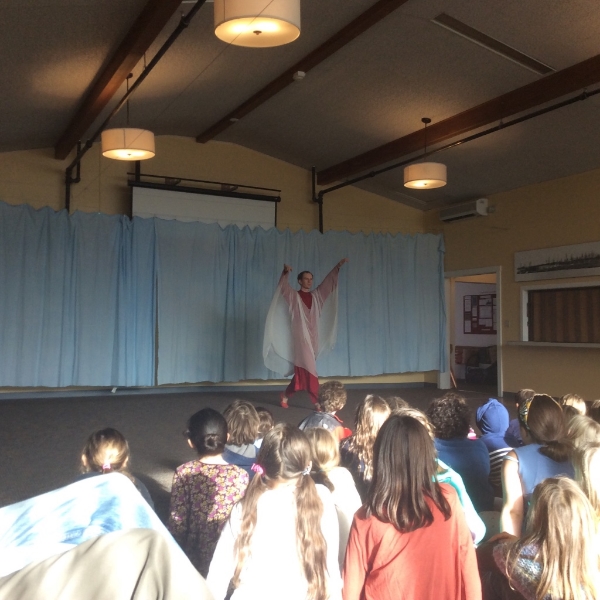
We just wrapped up a six-week block with visiting eurythmist, Audun Smit. Mr. Smit offered classes to our kindergartens and our grade school, as well as weekly opportunities for adults and at the opening of our faculty meetings. It was a true gift to our community!
Eurthymy is an art form from Rudolf Steiner based on movement, and making music and tone visible through that movement. Beautiful to watch and to do, it has elements of dance, sculpture and creative expression. Here at Madrona School, we offer eurythmy in blocks as we are able, providing some exposure for our students to this essential aspect of the Waldorf curriculum.
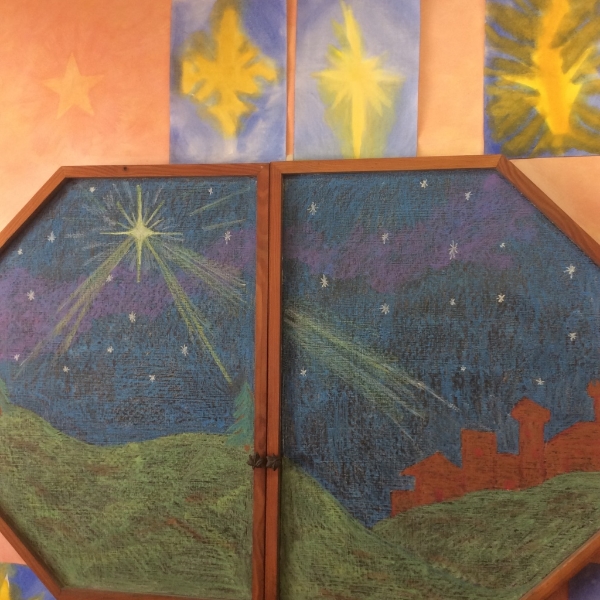
Movement in all its forms is so essential to learning, and Waldorf education emphasizes it throughout the curriculum. When we move, we learn -- coordination, problem solving, working effectively with others, etc. In our early childhood programs, children practice integration of movement, both gross and fine motor, in order to prepare themselves for their academic journeys ahead. And in grade school, movement continues to be critical for a greater integration of academic material, as well as practice for those all important social skills.
And eurythmy is movement like nothing else we offer, with live piano accompaniment and uplifting verse. Truly a gift for each child, even as they work on spatial awareness and social integration, expressing themselves from the inside out.
-- edited in part from the school newsletter, November 19, 2013
Images From The Season
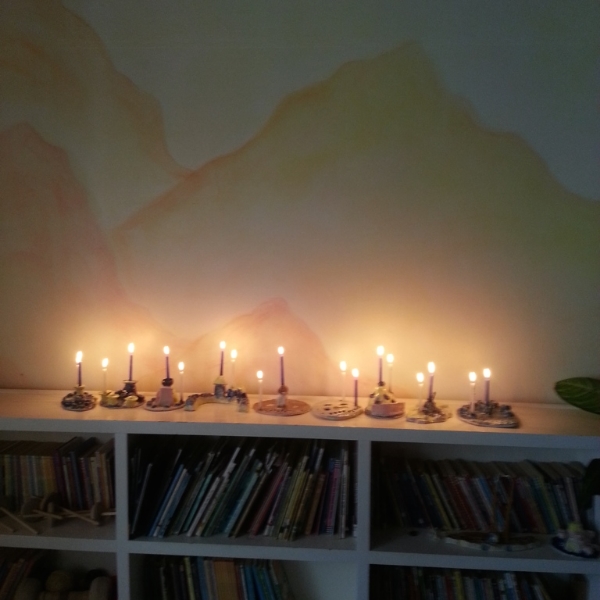
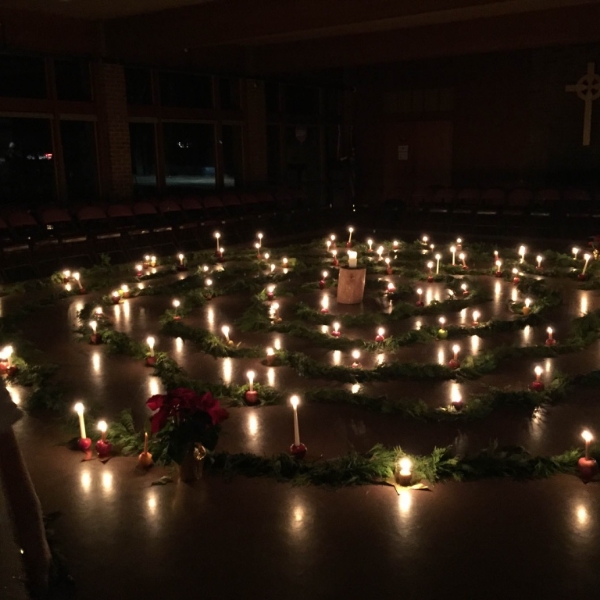
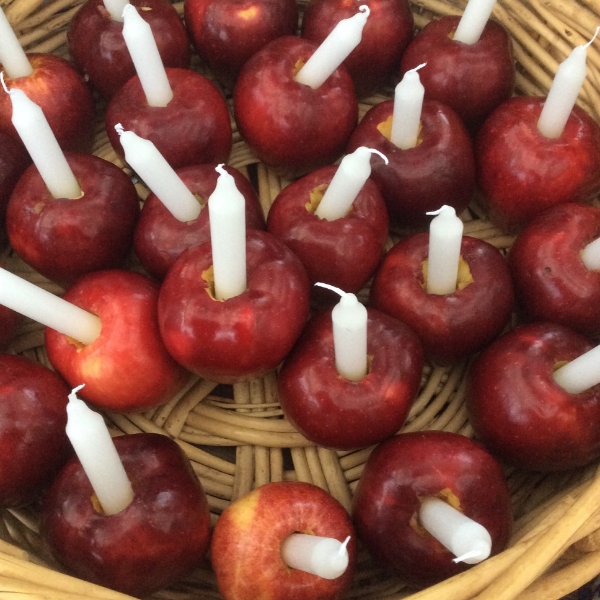
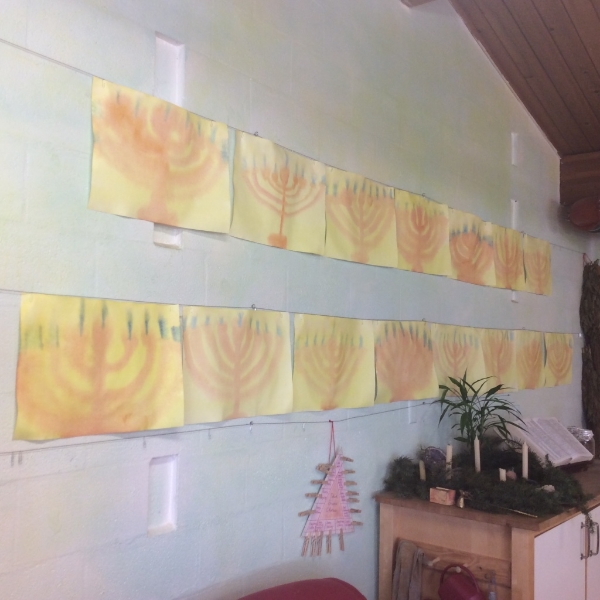
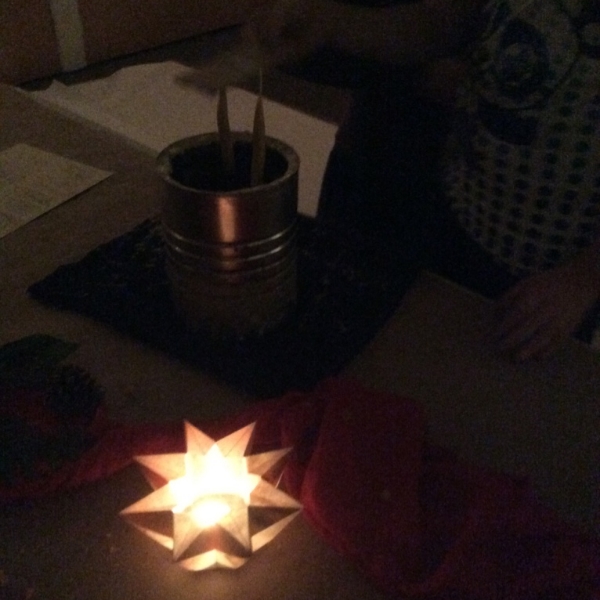
At Madrona School, we mark the darkest time of the year with opportunities to remember and celebrate the light that shines within all of us. Enjoy this selection of recent images from the life of our school -- and Happy Solstice and holiday season!
Madrona School Alphabet (D)
What makes a Madrona School education unique and special?
During the 2013-2014 school year, we celebrated what a Waldorf education offers both our children and our community as we strive to graduate creative and eager lifelong learners. Using the alphabet gave us 26 aspects to celebrate!
D is for Drama! We enjoy good drama (of a certain kind!) at Madrona School. In our early childhood programs, we nurture imaginative play acting each and every day. And, each grade school class puts on a play every year. From the simplest beginnings in 1st grade, to full blown productions in 7th and 8th, our students learn to be comfortable performing on a stage. They memorize lines, work together on sets and staging, speak clearly and with passion, sing and make music. Drama enhances literacy, creativity, self-confidence, flexibility -- and it's fun!
-- edited from our school newsletter on October 1, 2013